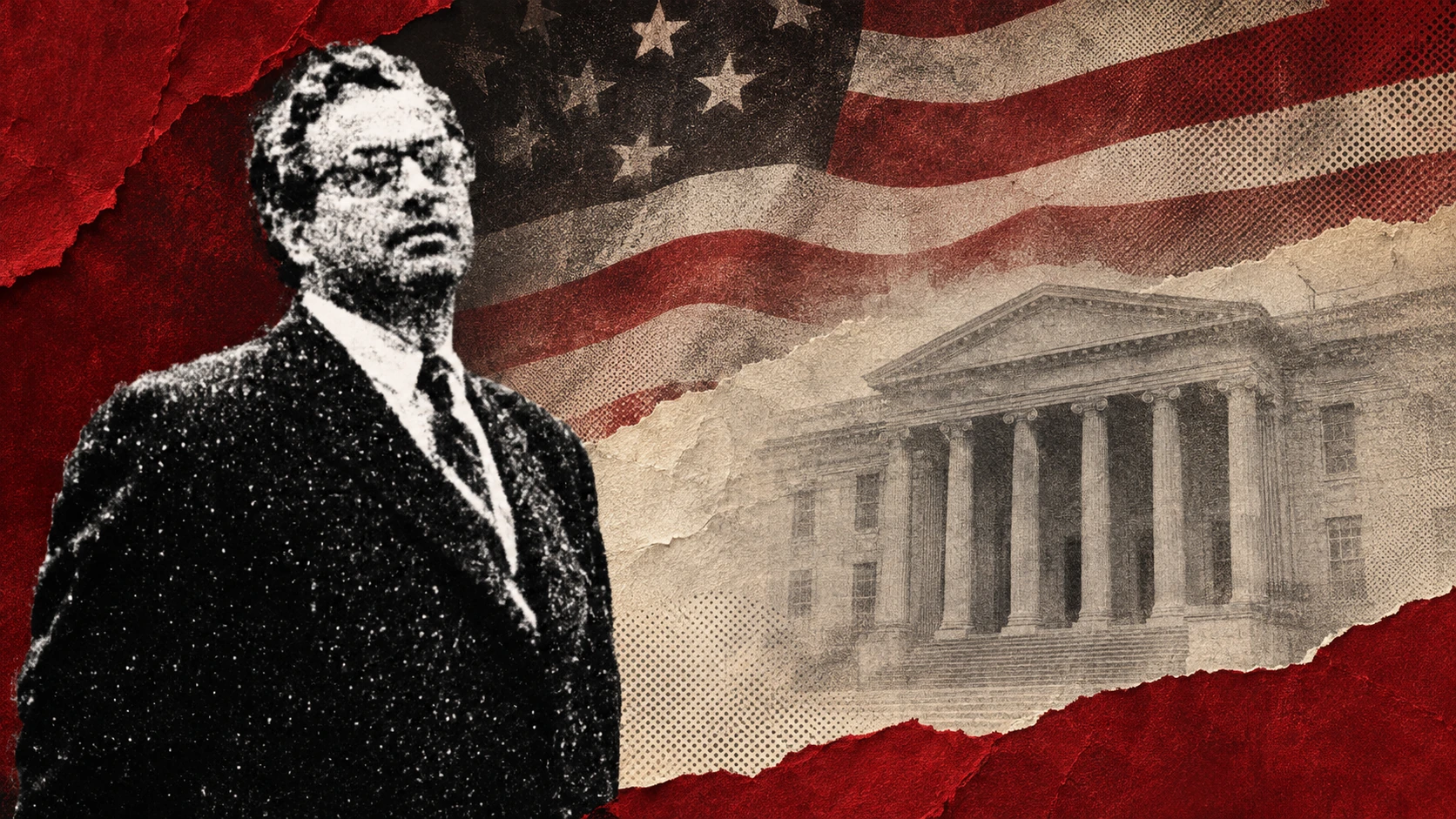
Evidence from a Hamas financing prosecution prompted the FBI to restrict outreach to CAIR, but a Connecticut training event showed how officials found a way around the rule while downplaying the bureau's own role.
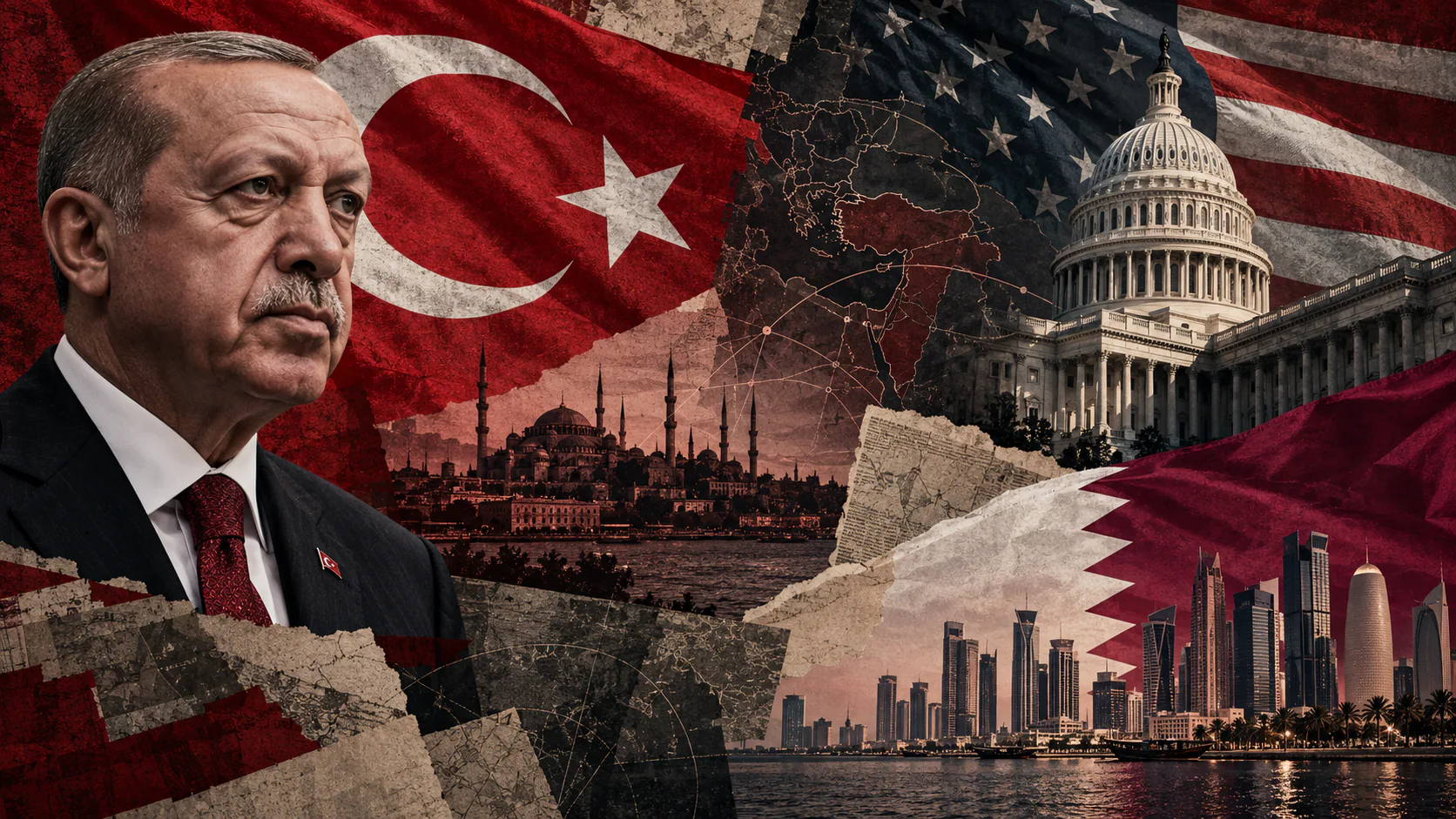
As Erdoğan's government hosts Hamas leaders and American
authorities pursue terror-financing networks in Turkey,
CAIR's ties to Turkish state-linked institutions extend
from political meetings and corporate sponsorships to state
television, electoral advocacy and youth leadership programs on
Capitol Hill.
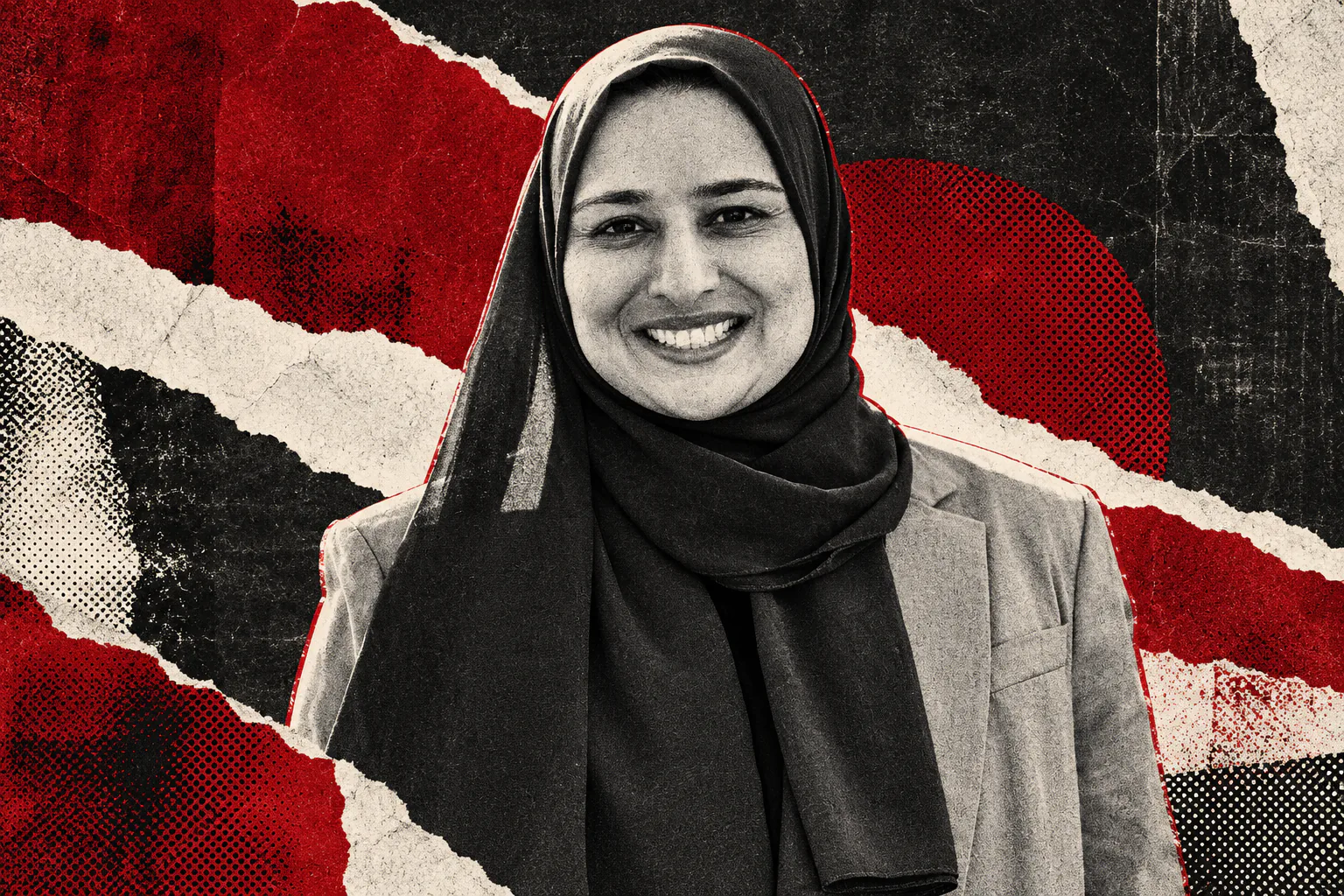
Lori Saroya helped build CAIR before becoming a critic. The
organization sued her, dropped the case and attacked her
publicly. Her eventual payment and retraction followed a fight
that exposed complaints about how power was used inside the
institution.
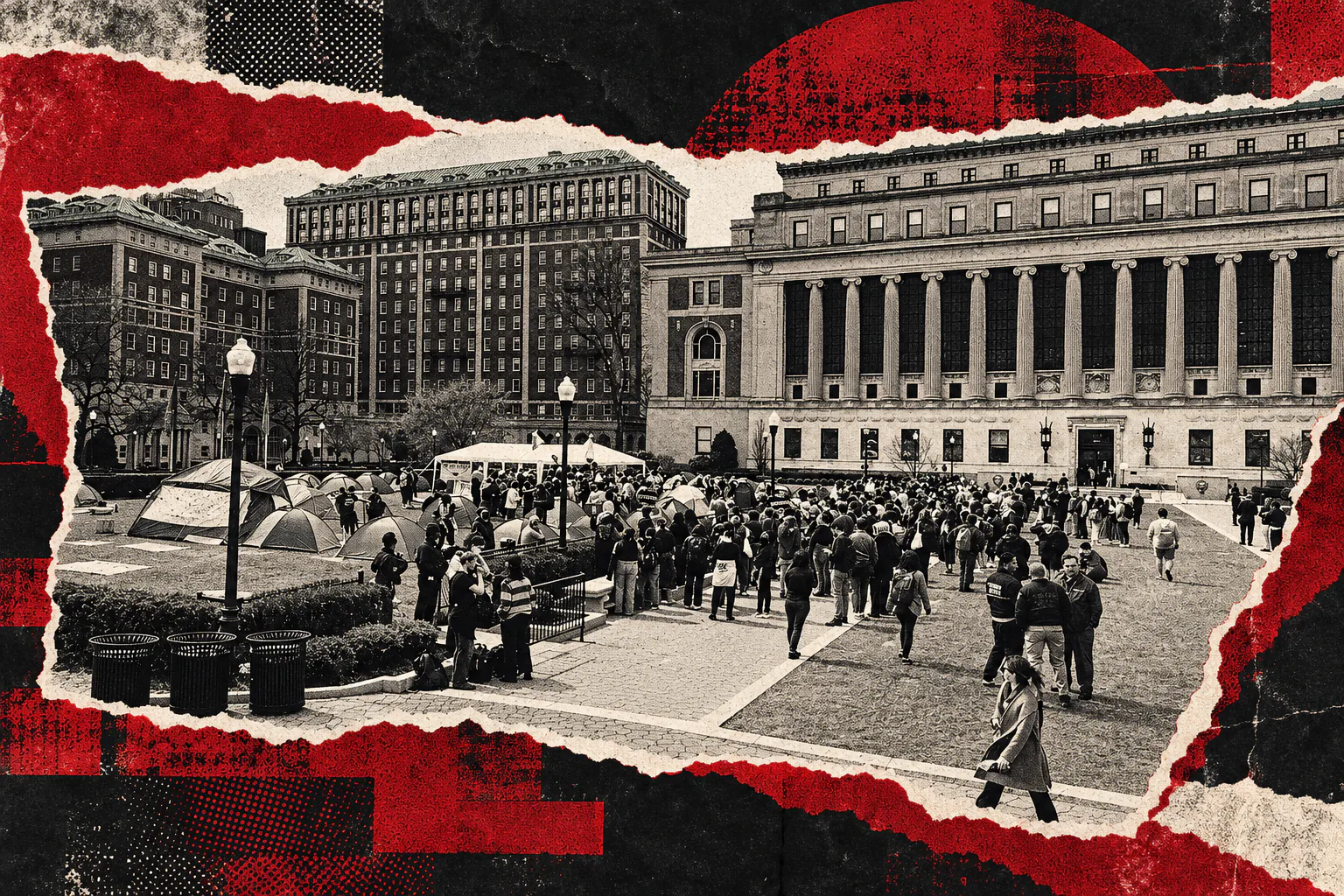
Years before American universities erupted in protests, CAIR was
building relationships with student activists, investing
millions in youth leadership and political outreach, and backing
the organizations that would later dominate campus
demonstrations.
A terrorist designation can change whether an organization can
buy property or receive public support. To understand the
decisions against CAIR, readers need to follow the different
governments involved, the history they invoked and the court
fights that followed.
Sexual harassment allegations, women afraid to speak, and a
former executive asked to erase her criticism. CAIR took Lori
Saroya to court. But after a judge opened the door to employee
complaints and foreign-funding records, the organization paid
her and retracted its public attack.
A $10 deed, two newly created organizations and a 45% transfer
trace CAIR's headquarters into a wider property network
tied to CAIR Plaza and a Falls Church mosque.