Origins
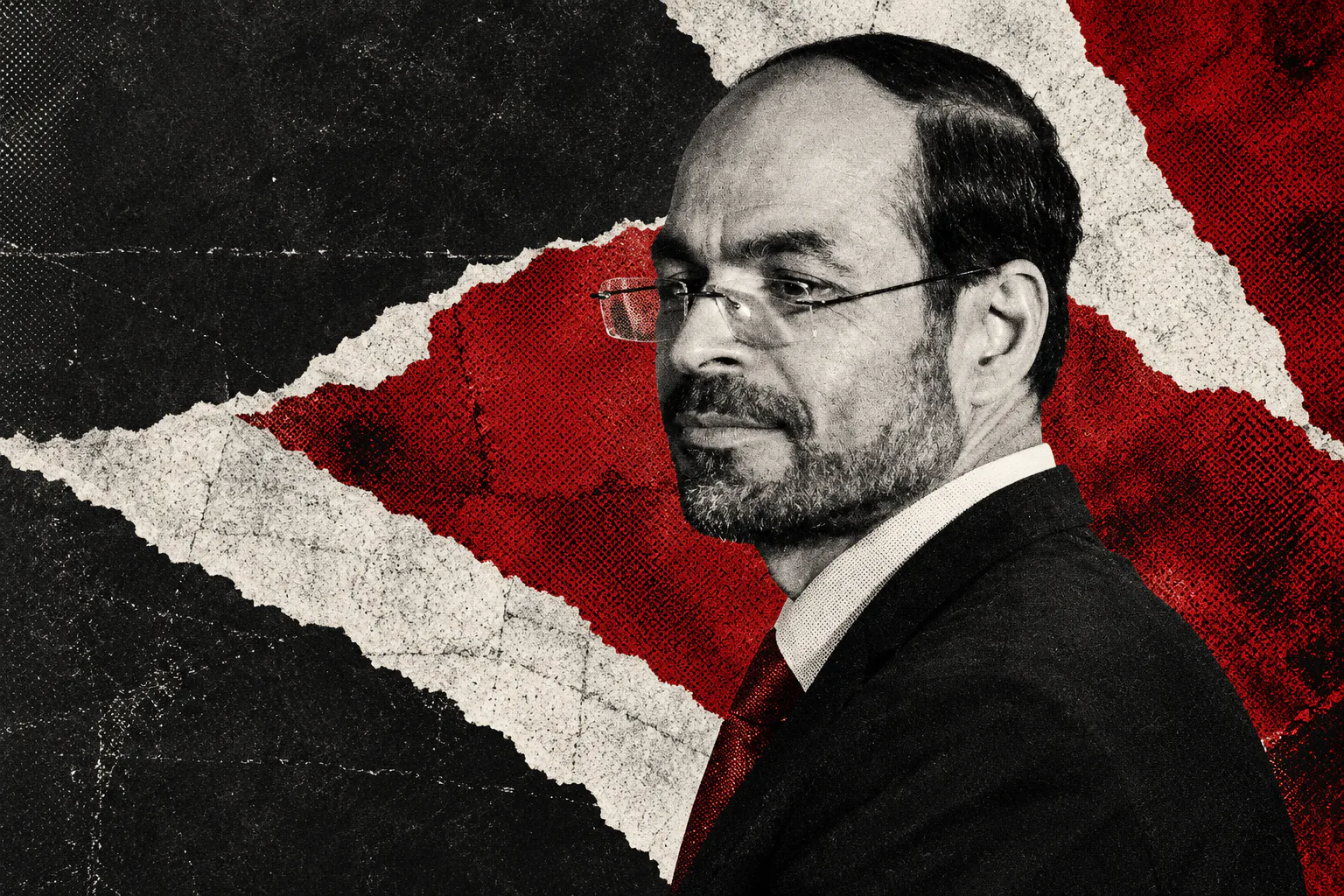
CAIR's history is rooted in the Muslim Brotherhood's American network and its documented connections to Hamas. Founded in 1994 by Omar Ahmad, then president of the Islamic Association for Palestine, and Nihad Awad, a former IAP public relations director, the Council on American-Islamic Relations emerged from a network of organizations associated with the Brotherhood's Palestine Committee, established in the United States to support Hamas.
The Holy Land Foundation case
Federal prosecutors identified CAIR as an unindicted co-conspirator in the Holy Land Foundation terrorism-financing case. Trial evidence placed early CAIR figures within the Palestine Committee's organizational network, and the federal judge found "ample evidence to establish the association" of CAIR with the Holy Land Foundation and Hamas. CAIR itself was not convicted in the case and denies terrorist affiliations. Ghassan Elashi, a founder of CAIR's Texas chapter according to H.R. 8236, was among the Holy Land Foundation leaders convicted in 2008 and sentenced to 65 years. In 2013 the Justice Department's inspector general confirmed that the FBI's 2008 restrictions on non-investigative contact with CAIR rested in part on evidence from that trial.
Governments act by name
In 2014 the United Arab Emirates listed CAIR and the Muslim American Society among more than 80 terrorist groups. Texas designated CAIR in November 2025, and Florida followed with an order in December and a formal designation in September 2026. These are foreign and state actions. CAIR has not been designated a Foreign Terrorist Organization by the U.S. State Department, and the federal government's January 2026 designations covered three Brotherhood branches abroad, not any American organization.
Why the name is not enough
A designation attaches to a name, and names can be replaced. A large network of nonprofits, charities, investment companies, foundations and mosques, each with its own name and its own filings, is the way the Muslim Brotherhood has long operated in the West. The Brotherhood's Palestine Committee built a set of American organizations, among them the Holy Land Foundation and the Islamic Association for Palestine, and its members then planned an organization in Washington, D.C. that would appear legitimate. That organization was CAIR. The pattern repeats through this story. The Islamic Association for Palestine was held liable in 2004 and went defunct; in 2022 a federal court let a lawsuit proceed alleging that American Muslims for Palestine is its continuation. The Holy Land Foundation was shut down in 2001. Organizations change names, merge and reopen, and the people who run them move with them. Days after Texas acted, CAIR's headquarters was transferred to a new company. A ban on a name can end an organization on paper and leave the network standing.
What the names show
Our records show the same few people appearing again and again: on the boards of CAIR's corporations, in the charities that receive its money, in the companies that build and manage its property, and in the mosques and community institutions around them. Some of these names reach back to the 1990s and earlier. Others appear for the first time in the last few years. Many of these people and organizations have received little public attention, and they matter. The records are public, but the picture they make together has not been drawn. In the coming articles we talk about them: the people, the organizations they run, and the places where their paths cross. Each article follows a single thread, and the threads lead back to the same circle. CAIR's name will be argued in courts and legislatures. The names that follow are the ones that decide whether any of it changes anything.