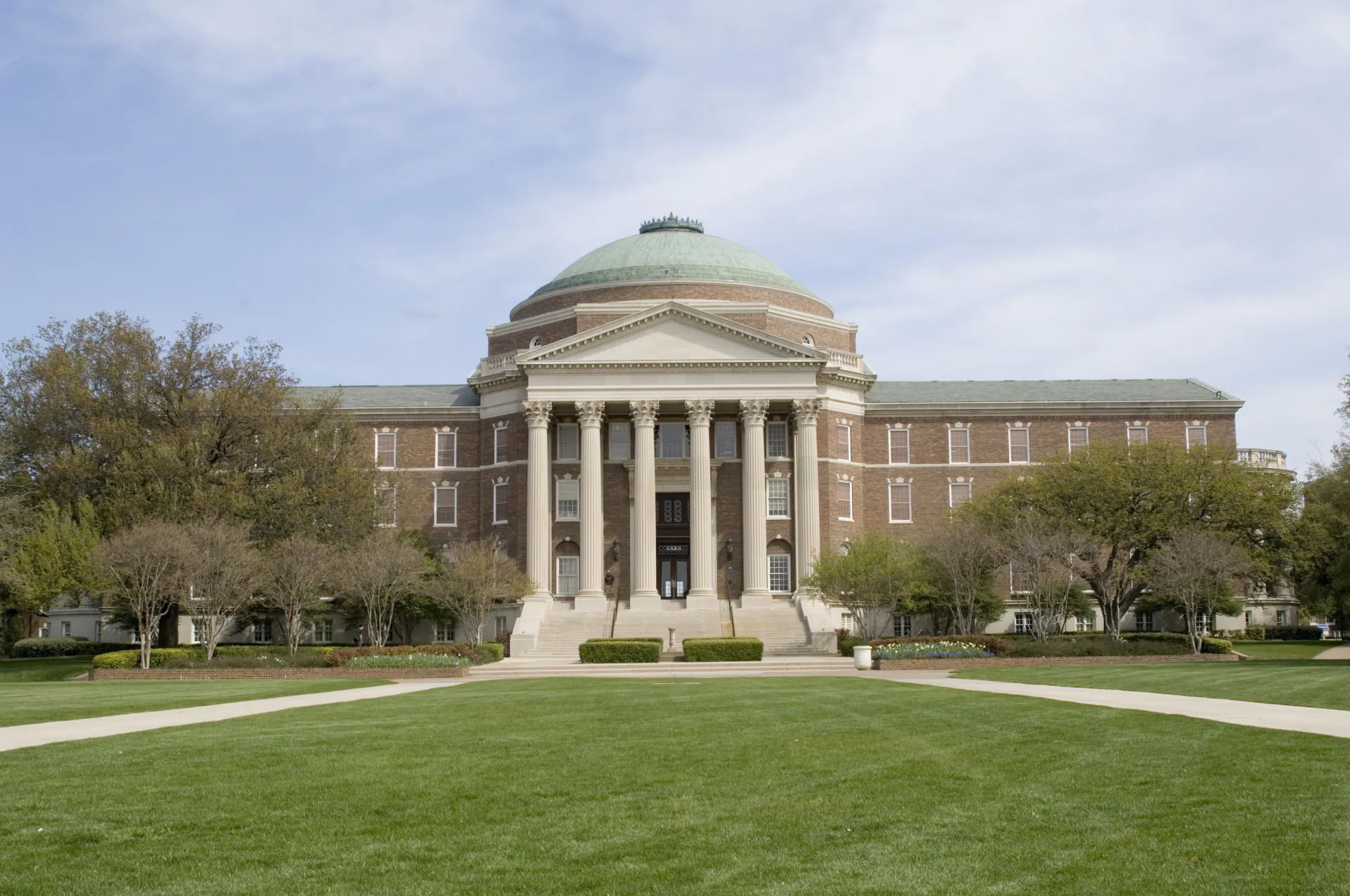
In August 2026, Southern Methodist University in Dallas made a decision that would have been almost unthinkable a few years earlier.
The university canceled a planned youth leadership conference organized by CAIR, citing the State of Texas's designation of the organization as a terrorist group.
The event, called Unapologetically Muslim: Youth in Action, had been scheduled for September 19 and was designed to teach high school and college students about community organizing, political advocacy and influencing public officials.
SMU had previously welcomed CAIR-related activities on campus. This time, university administrators concluded that allowing the event to proceed was inconsistent with institutional policies given the state's designation.
For CAIR, which has spent decades building relationships with universities, public officials and community organizations, the decision demonstrated how dramatically its position in parts of the United States had changed.
The organization that routinely presents itself as a defender of civil rights was now confronting state governments attempting to restrict its property ownership, public funding and institutional relationships.
And Texas was not acting alone.
A decade earlier, the United Arab Emirates had placed CAIR on its official list of terrorist organizations. In November 2025, Texas Governor Greg Abbott followed with his own designation, explicitly connecting CAIR to the Muslim Brotherhood.
Florida Governor Ron DeSantis soon pursued similar action, culminating in a September 2026 decision to designate CAIR under Florida's new domestic terrorism law.
Three governments, operating under different laws, had taken actions against the same American organization.
The controversy was no longer confined to speeches, press releases or accusations from political opponents. It had reached the institutions, contracts and financial arrangements through which CAIR operates.
The Hamas Financing Case That Continues to Haunt CAIR
To understand why CAIR has become the subject of these actions, the story must return to a federal courtroom in Dallas.
In November 2008, a jury convicted the Holy Land Foundation for Relief and Development and five of its leaders in one of America's most significant terrorism-financing prosecutions.
Federal prosecutors established that the charity had provided approximately $12.4 million in support to Hamas through organizations operating in the Palestinian territories.
Among those convicted was Ghassan Elashi, a founding figure of the Holy Land Foundation who had also been identified in congressional testimony as a founding board member of CAIR's Texas chapter.
He was sentenced to 65 years in federal prison.
But the prosecution uncovered more than the financial operations of one charity.
Evidence introduced during the trial traced the Holy Land Foundation to the Muslim Brotherhood's Palestine Committee, a network established to support Hamas activities in the United States.
Federal investigators presented documents and recordings describing coordination among individuals associated with fundraising, political advocacy and public communications.
One particularly revealing recording came from a 1993 meeting in Philadelphia, where participants discussed how to continue supporting Hamas without openly identifying their American operations with the organization.
CAIR's name appeared in records associated with that broader network.
Federal prosecutors identified CAIR as an unindicted co-conspirator and included it among organizations associated with the Palestine Committee.
In July 2009, U.S. District Judge Jorge Solis found that prosecutors had presented substantial evidence of historical associations between CAIR, the Holy Land Foundation, the Islamic Association for Palestine and Hamas.
The finding concerned organizational associations, not a criminal conviction of CAIR. It nevertheless placed the organization's early history within the evidentiary record of a major federal terrorism-financing case.
And federal law enforcement responded.
In 2008, the FBI developed restrictions on certain non-investigative interactions with CAIR, citing evidence from the Holy Land Foundation proceedings linking CAIR leaders to Hamas.
The policy sought to limit the organization's ability to use public FBI interactions to enhance its credibility. A subsequent Justice Department Inspector General review confirmed the policy's origins and identified failures in its implementation.
These developments became central to the arguments later advanced by officials seeking state-level action against CAIR.
From Abu Dhabi to Austin: The Designations Become Government Policy
The first major government designation came from outside the United States.
On November 15, 2014, the United Arab Emirates published a list of organizations it classified as terrorist entities under its domestic counterterrorism law.
CAIR appeared on that list alongside the Muslim American Society, Muslim Brotherhood organizations and numerous other groups.
The decision triggered an immediate diplomatic controversy. CAIR rejected the designation, and the U.S. State Department did not adopt the UAE's assessment.
For more than a decade, the Emirati designation remained part of the international controversy surrounding CAIR.
Then Texas dramatically changed the situation.
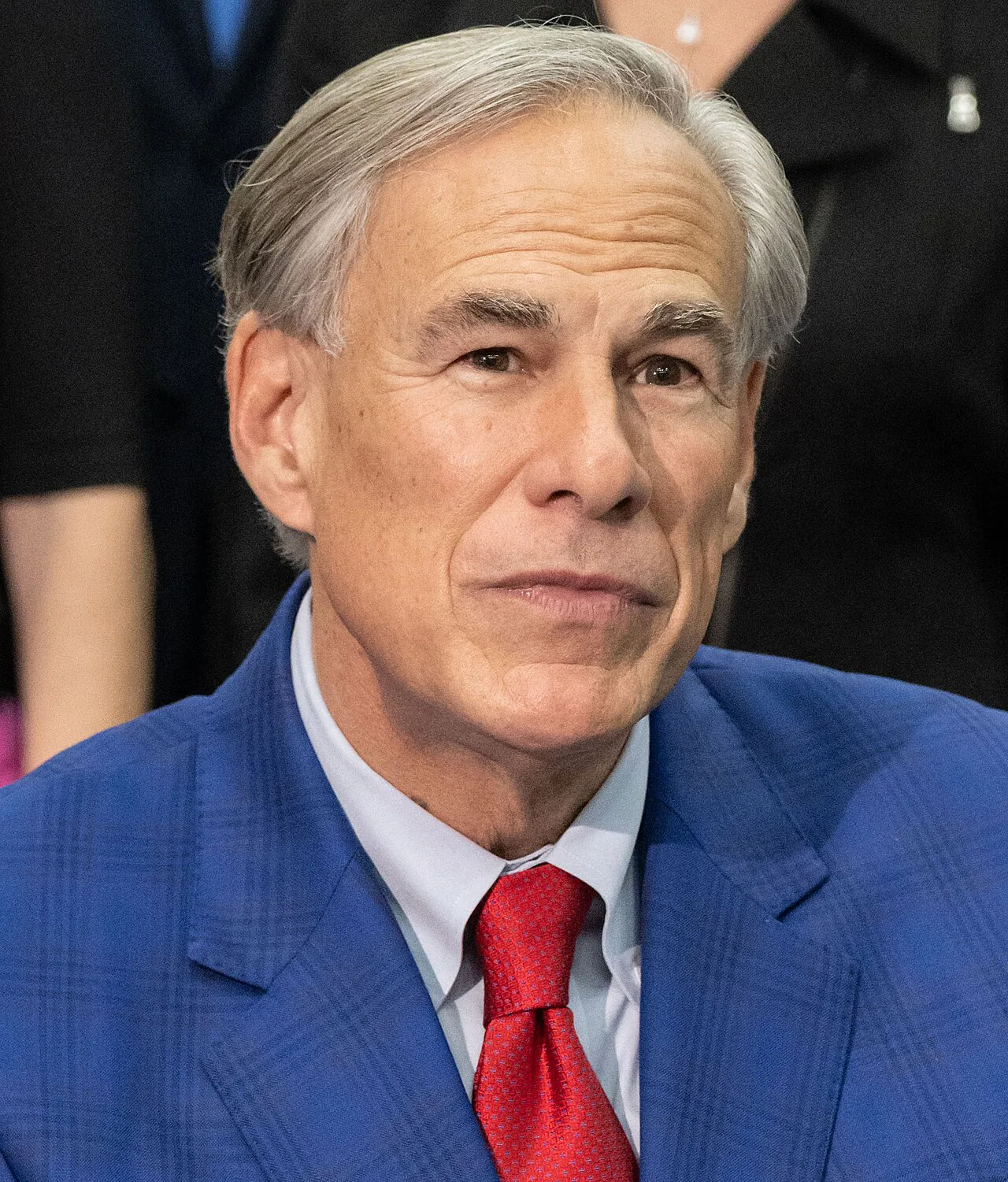
On November 18, 2025, Governor Greg Abbott signed a proclamation designating CAIR and the Muslim Brotherhood as foreign terrorist organizations and transnational criminal organizations under Texas law.
The proclamation invoked CAIR's alleged organizational links to the Muslim Brotherhood and historical evidence associated with Hamas.
It also brought tangible consequences: Texas asserted authority to prohibit the designated organizations and their affiliates from acquiring real property in the state.
Two days later, Abbott directed the Texas Department of Public Safety to launch criminal investigations into potential unlawful activities involving CAIR and the Muslim Brotherhood.
The confrontation escalated again in February 2026 when Texas Attorney General Ken Paxton filed a lawsuit seeking to stop CAIR's operations in the state, including fundraising and member recruitment.
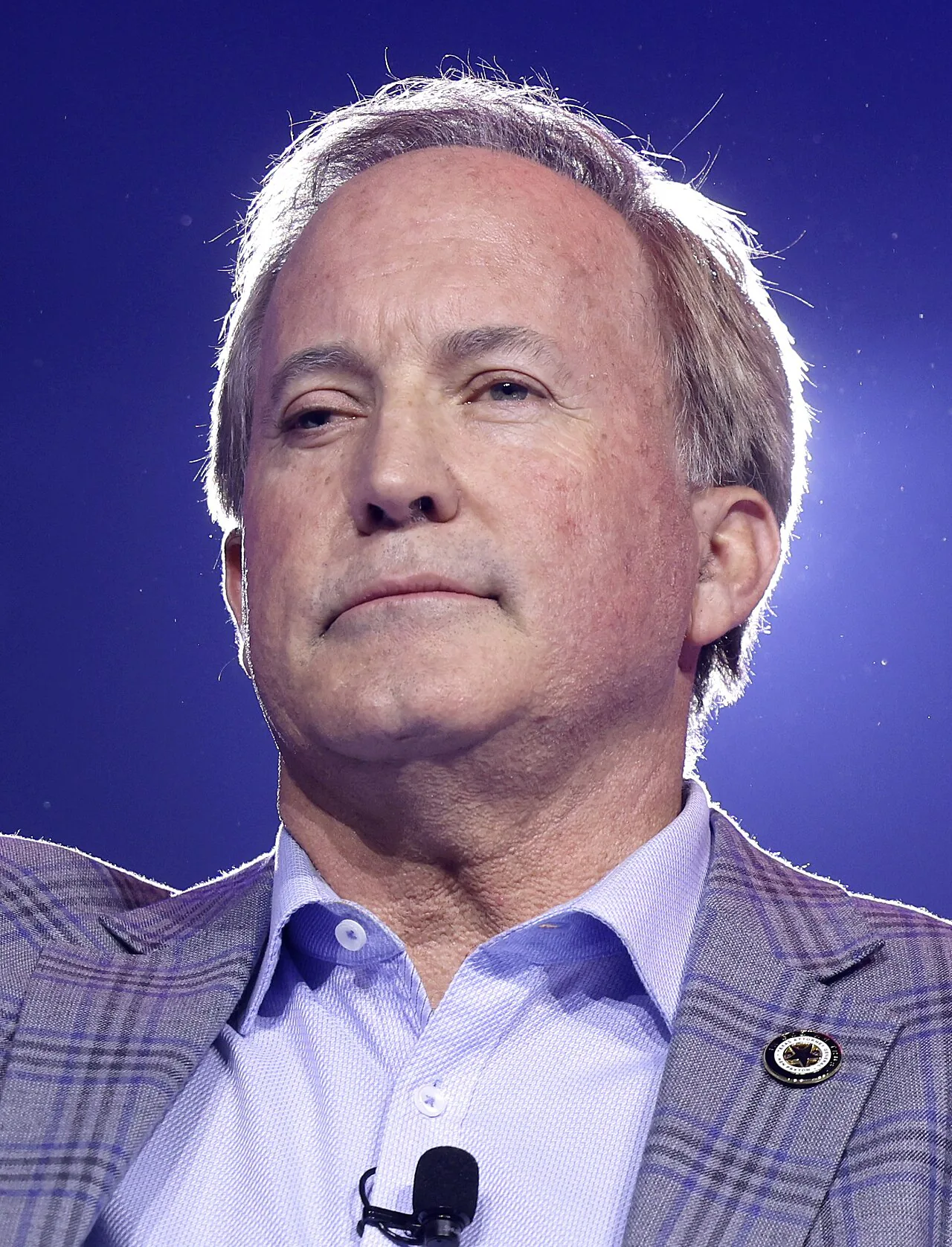
Paxton's complaint alleged that CAIR functioned as part of a broader Muslim Brotherhood network seeking to advance extremist objectives inside the United States.
CAIR rejected those accusations and challenged the state's actions in federal court.
Texas's designation is a state action, not a U.S. State Department Foreign Terrorist Organization designation. The scope of the state's authority and the legal consequences of its allegations remain contested.
But the practical impact was already visible.
By August 2026, Southern Methodist University was citing the designation to deny CAIR access to its campus for a planned youth conference.
What began as an argument about historical associations had become a present-day struggle over where CAIR could operate and which institutions were prepared to work with it.
Florida was preparing to go further.
Florida Moves Against CAIR's Access to Public Money
Governor Ron DeSantis issued an executive order in December 2025 targeting CAIR and the Muslim Brotherhood, directing state agencies to restrict public support and contracts involving the organizations.
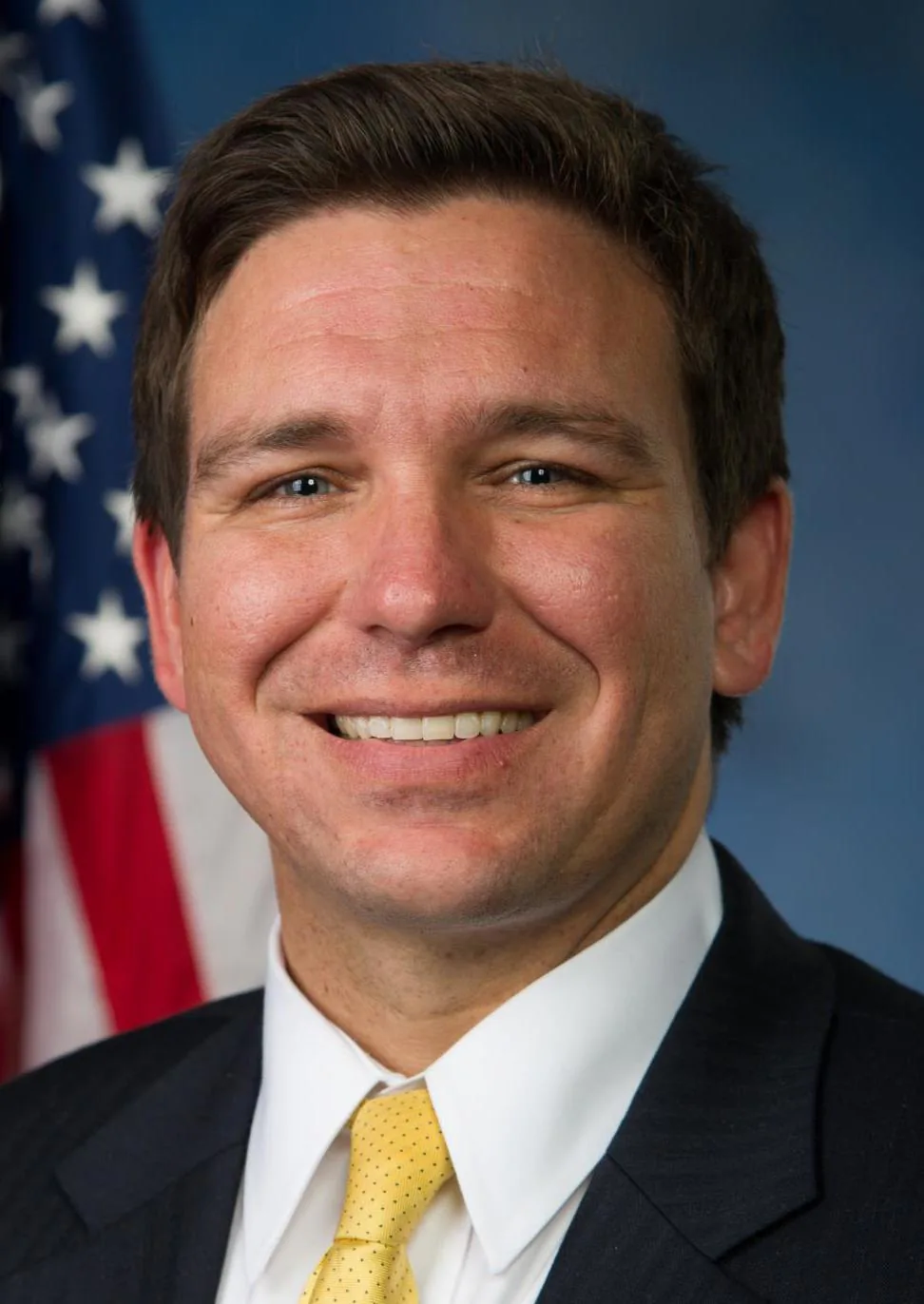
A federal judge blocked enforcement of that order in March 2026 on constitutional grounds.
Rather than ending the confrontation, Florida pursued a new statutory process.
On September 29, 2026, DeSantis and the Florida Cabinet approved CAIR's designation as a domestic terrorist organization under state law.
The new framework targets public funding, government contracts and the use of publicly funded institutions to support designated groups. It also establishes material-support offenses under Florida law.
The state published formal notice on October 6, with the designation scheduled to take effect on November 5, 2026, unless blocked by the courts.
CAIR and CAIR-Florida filed a new federal lawsuit challenging the action, arguing that it violates constitutional protections and exceeds the state's authority.
The litigation is ongoing.
The practical stakes are substantial. CAIR's influence depends in part on its ability to work with schools, universities, government agencies and other public institutions.
Florida's framework places those relationships directly within the reach of state counterterrorism policy.
Together with Texas's property restrictions and legal action, the Florida measures represent an attempt to impose consequences on CAIR's operations rather than simply criticize its history.
The Fight Over CAIR's Future Is Now Taking Place in American Institutions
CAIR has spent more than three decades establishing itself as a major participant in American public life.
Its representatives meet lawmakers, challenge government decisions, conduct political advocacy, support public campaigns and train young people in civic engagement.
That reach makes the consequences of state action particularly significant.
A designation by a foreign government can become a diplomatic dispute. A designation by an American state can affect property transactions, institutional partnerships, funding arrangements and the willingness of universities to host an organization's activities.
The cancellation at Southern Methodist University offered an early example of that impact.
The historical record surrounding CAIR's founding network, the Holy Land Foundation prosecution and the FBI's previous restrictions provides important context for why the organization continues to face scrutiny.
Texas and Florida have converted that scrutiny into far-reaching state actions, while CAIR is seeking judicial intervention to stop them.
The courts will determine how much of those measures can lawfully stand.
But the broader confrontation has already changed the terms of the debate surrounding CAIR.
What began with questions about CAIR's historical relationships has developed into an ongoing fight over its ability to own property, receive public support and maintain institutional access in two of America's largest states.
And with the legal challenges unresolved, the consequences for CAIR and the institutions working with it are still unfolding.