
When thousands of Afghans arrived in the United States following the Taliban's return to power in 2021, many needed help navigating an unfamiliar legal system. Obtaining asylum, work authorization and permanent residency required lawyers, paperwork and money that newly arrived families often did not have.
The federal government responded by funding legal assistance programs through state agencies and nonprofit organizations. In California, millions of dollars were directed toward helping Afghan arrivals establish their lives in America.
One of the organizations entrusted with that responsibility was CAIR California.
The organization was given a substantial role in the Afghan Legal Services Project, serving both as an administrator responsible for coordinating legal aid providers and as a provider of legal services through its own regional offices.
It was an arrangement that placed CAIR in an interesting position. The organization was helping administer public money while its own offices were also receiving funding under the program.
That arrangement eventually attracted the attention of investigators, auditors and members of Congress. What they uncovered was considerably more complicated than the reassuring descriptions of refugee assistance appearing in CAIR's public materials.
A November 2025 investigation by the Network Contagion Research Institute and Intelligent Advocacy Network examined public records concerning approximately $7.2 million allocated under the Afghan Legal Services Project.
According to the report, records attributed only 177 Afghan clients to CAIR's Los Angeles office during the period examined, compared with a projected regional population of 1,800 people requiring assistance.
CAIR disputed the report's interpretation, pointing out that the program involved multiple providers and stating that more than 1,800 people received legal services across the Southern California network.
That distinction is important because the program's total performance and the number of clients directly served by one CAIR office are different measurements.
But the controversy became more significant when investigators examined the way the money was allocated.
When the Grant Administrator Is Also Receiving the Grants
Among the documents examined by the researchers was an Afghan Legal Services Project subgrantee reporting form dated October 16, 2023.
The form identified CAIR's Greater Los Angeles office as receiving approximately $3.61 million, while the San Diego office was allocated another $146,769.
Together, those allocations amounted to more than $3.75 million.
The researchers noted that CAIR's regional offices operated under CAIR California's legal identity rather than as separately registered nonprofit entities. They argued that the arrangement effectively allowed public funding to be passed from one part of CAIR California to another while being presented as subgrants.
There is a certain irony in discovering that an organization administering grants was also a major recipient under the same organizational umbrella. It certainly makes the phrase independent oversight worth examining more closely.
CAIR California responded that the state, rather than CAIR, selected the participating legal-service providers and approved the grants. Its regional offices, the organization explained, had applied for funding through the same state-administered process as other recipients.
The question is therefore not simply whether CAIR was entitled to receive funding for services performed by its own offices.
It is whether the program's financial reporting clearly distinguished CAIR's administrative role from the money allocated to its direct-service operations, and whether expenditures could be matched to services delivered.
Those questions became considerably more serious once independent auditors examined CAIR California's internal financial controls.
And unlike the political accusations surrounding the organization, the audit findings were recorded in formal federal compliance reports.
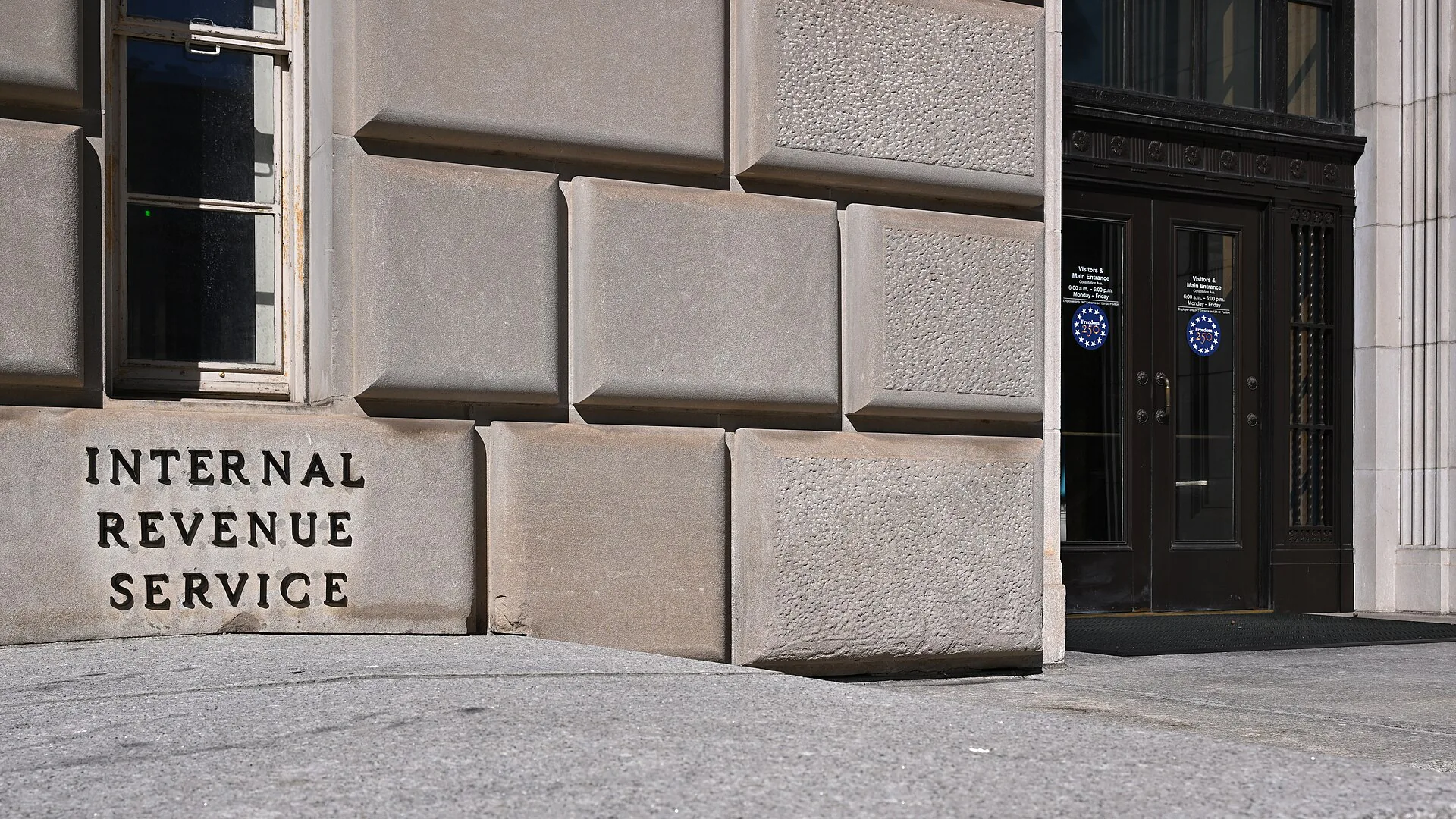
CAIR California's 2023 and 2024 single audits identified weaknesses in the systems used to track federal funds.
The auditors found that the organization relied on external spreadsheets to monitor federal expenditures, requiring separate reconciliations with its accounting system. They also identified deficiencies involving retention of required reports and supporting documentation.
The 2024 audit repeated the concern about spreadsheet-based tracking. Auditors found that the workbooks did not reconcile directly with the general ledger and that management had to perform additional reconciliation procedures.
They also found two instances, among 24 reporting samples examined, where quarterly expenditure reports and evidence of their submission could not be located.
CAIR's 2023 audit package had been submitted late, in August 2025, and the organization also missed the required deadline for completing its 2024 audit.
CAIR acknowledged the identified control weaknesses and reported implementing corrective measures, including improved grant-tracking procedures and document-retention practices. The cited findings did not assign questioned costs or establish that grant money had been stolen.
Nevertheless, the contrast between the organization's public assurances of financial transparency and the auditors' documented findings is striking.
The organization entrusted with helping administer federally funded legal assistance was still correcting weaknesses in how it tracked expenditures, retained supporting records and met audit deadlines.
For American taxpayers financing the program, those are hardly trivial administrative details.
The financial records are the means by which a government agency determines whether promised services were delivered and whether expenditures complied with the grant's requirements.
That is especially important when the organization administering the funds also operates offices receiving substantial allocations.
And it was precisely this combination of financial questions and organizational structure that eventually reached Washington.
The Questions Reach Congress and the Federal Government
On January 13, 2026, House Ways and Means Committee Chairman Jason Smith formally referred CAIR California to the Internal Revenue Service for investigation and possible revocation of its tax-exempt status.
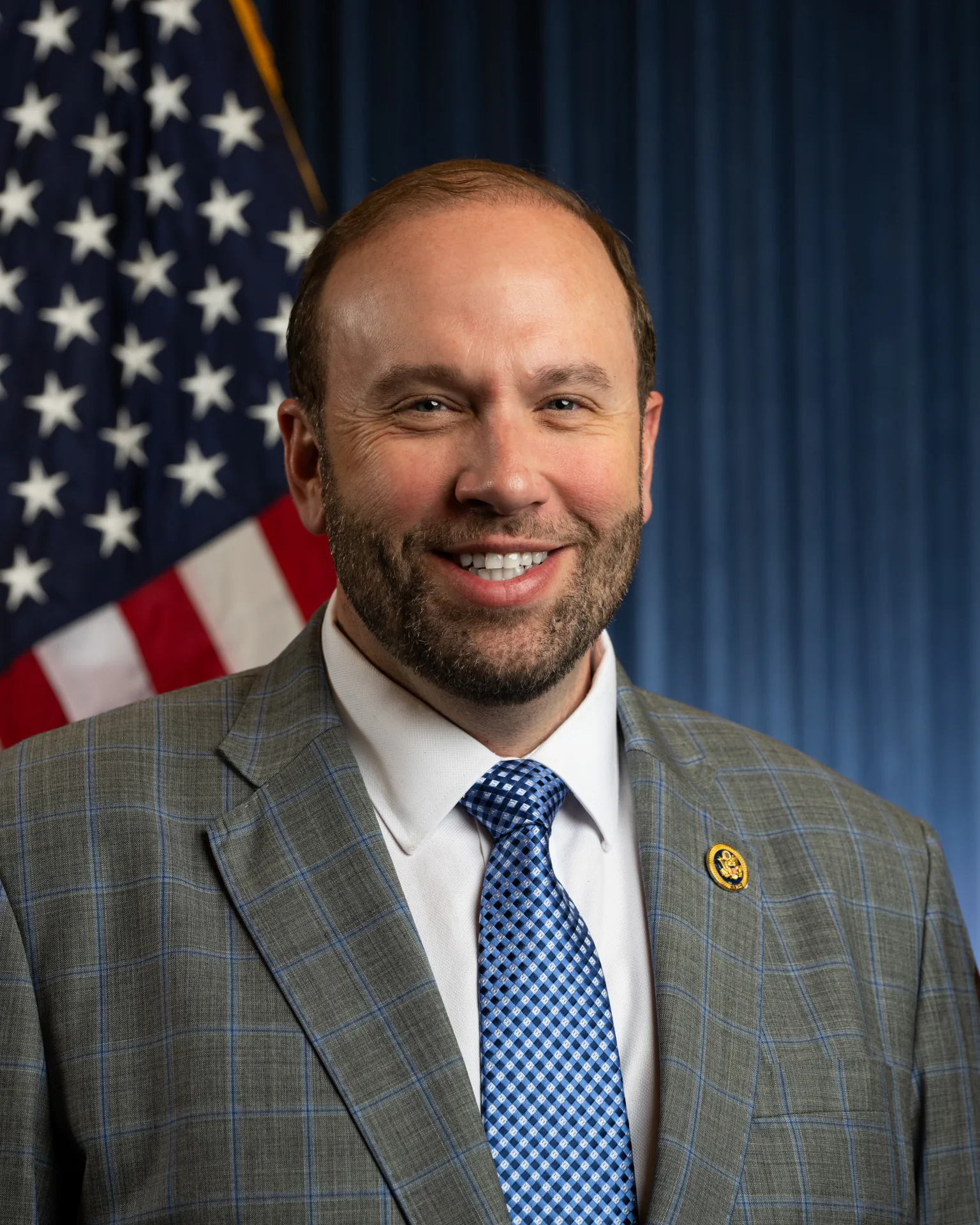
His letter alleged that the organization had improperly handled millions in refugee legal-aid funding, raised concerns about allocations to regional offices operating under the same tax identification number and questioned whether CAIR had accurately disclosed its activities.
Smith also cited CAIR California's involvement in disruptive university protests, arguing that certain activities warranted scrutiny under rules governing tax-exempt organizations.
The referral brought together two issues that had largely been discussed separately: how CAIR used taxpayer-funded grants and how the organization deployed its resources in political advocacy.
CAIR California rejected the allegations and described the referral as politically motivated.
But the financial controversy continued.
In June 2026, the U.S. Department of Health and Human Services contacted California Governor Gavin Newsom about concerns involving CAIR California's participation in publicly funded refugee assistance programs.
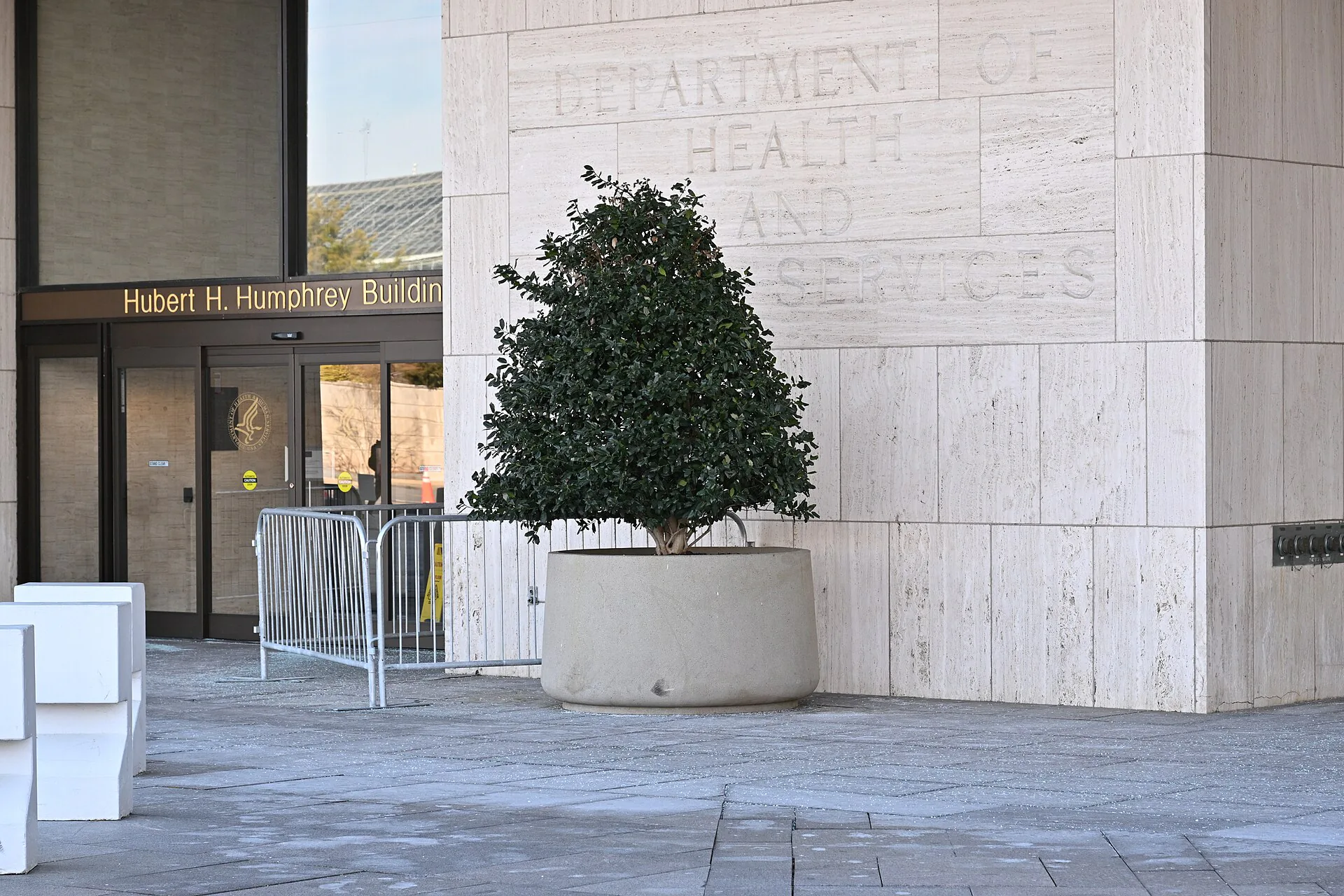
Health Secretary Robert F. Kennedy Jr. also publicly addressed the matter.
CAIR California responded on June 15, rejecting the accusations and emphasizing that its public grants were subject to state reporting requirements, audits and financial reviews.
The organization pointed to its history of legal assistance and the services delivered to Afghan arrivals.
By October 13, 2026, the controversy had returned to Congress. Representative Chip Roy and other lawmakers asked HHS to extend its investigation into possible misuse of federal grants involving CAIR and several other organizations.
The lawmakers requested examination of whether the organizations met federal standards for suspension or debarment from future funding.
The allegations had now moved well beyond a disagreement over individual financial reports. Federal agencies were being asked to examine the broader eligibility of organizations receiving taxpayer support.
For CAIR California, the stakes included millions in public funding, its reputation as a legal-services provider and the scrutiny of government agencies responsible for protecting federal grant programs.
For taxpayers, the central issue remained more straightforward: whether the funds allocated to help Afghan arrivals had been properly accounted for and whether the services promised under the program could be verified.
The answer requires following actual expenditures and completed legal work, not merely citing the number of organizations participating or the existence of an approved grant.
A program can involve many providers while still leaving questions about individual allocations. A nonprofit can deliver valuable services while simultaneously failing to maintain adequate financial controls.
And an organization can describe itself as transparent while independent auditors identify significant weaknesses in its documentation.
These are not mutually exclusive possibilities, regardless of how forcefully CAIR dismisses its critics.
When Taxpayer Money Is Involved, CAIR's Reputation Is Not the Audit
CAIR California reported receiving more than $7 million in government grants in 2024 across its programs, making public funding a significant component of its operations.
Its activities extend far beyond immigration assistance. The organization conducts political advocacy, challenges government policies, supports campus activists and engages in public campaigns on contentious national issues.
Those activities make the separation of restricted government grants from other organizational spending an important financial control.
Taxpayer funding designated for legal assistance must be used for the authorized services, regardless of the organization's other activities or political positions.
The public record now contains specific issues requiring examination: major allocations to CAIR's own regional offices, disputed service figures, weaknesses identified by independent auditors and federal concerns about grant compliance.
CAIR's responses explain its position on the grant structure and the services it says were delivered. The full financial picture depends on matching those explanations to the underlying records.
That means identifying what was paid to each participating provider, how much CAIR retained for administration and direct services, what work was completed, and how those expenditures were recorded and reviewed.
The organization's public reputation cannot answer those questions on its behalf.
CAIR California was entrusted with substantial public resources to help newly arrived Afghans. Its financial arrangements and reporting controls are now the subject of congressional allegations, federal scrutiny and documented audit findings.
The scrutiny is not an abstract debate about CAIR's politics. It concerns the administration of American taxpayer money and the ability to demonstrate that funds were spent on the purposes for which they were awarded.
An organization that regularly demands accountability from government institutions should understand the value of that standard when the questions concern its own financial operations.
And given the millions involved, a confident press statement is a rather poor substitute for an accounting record that can withstand examination.
CAIR California's leadership has defended its handling of the program. The financial records, audit findings and government inquiries will determine how well that defense stands up.