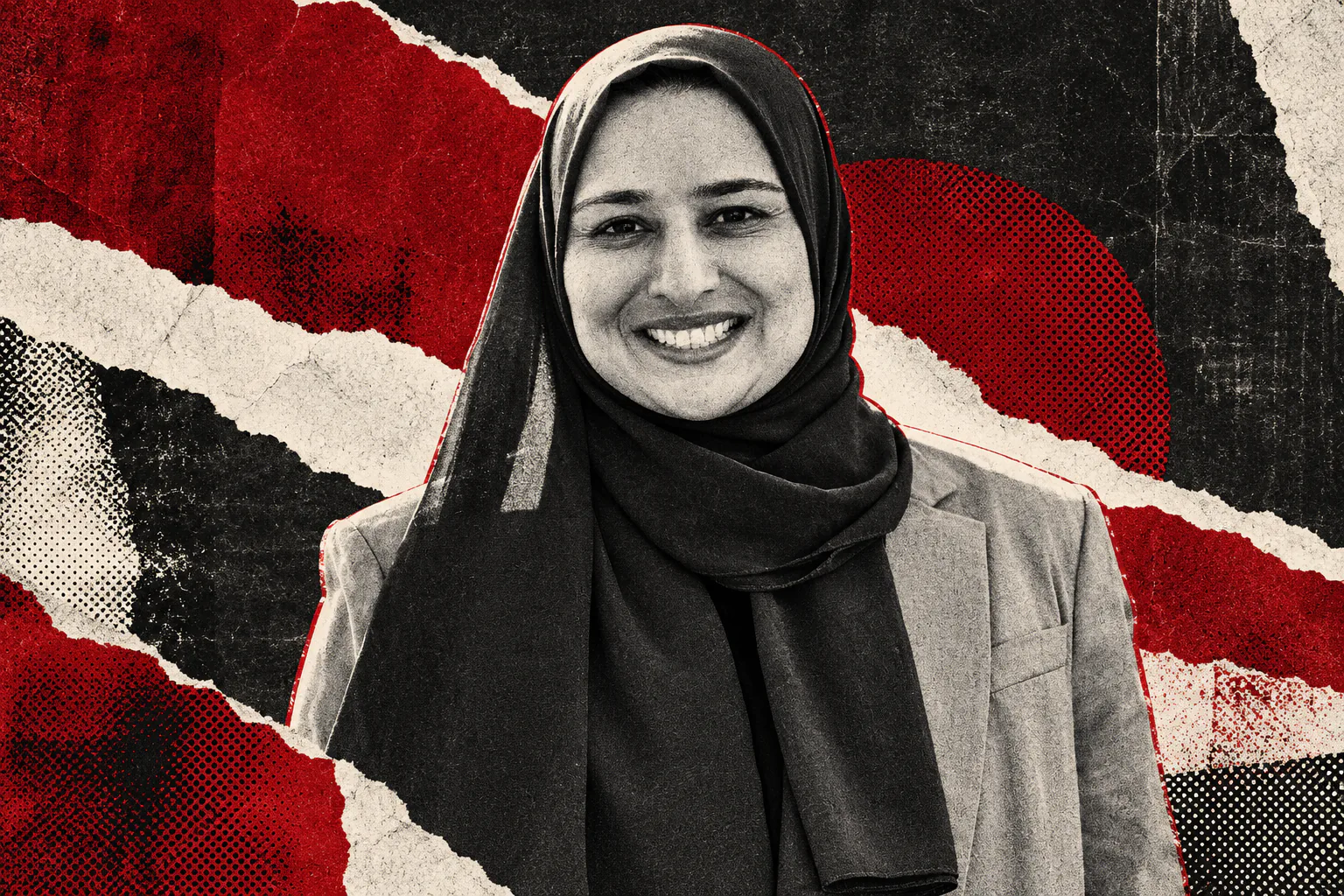
Delete the Facebook posts. Shut down the groups documenting allegations of sexism. Remove the criticism. Publish a retraction approved by CAIR.
Those were among the terms in a proposed settlement agreement presented to Lori Saroya, a woman who had spent more than a decade helping build CAIR.
Saroya maintained that CAIR owed her money. According to her court filing, the proposed deal would also have required her to remove past criticism of the organization. She refused.
What followed was a years-long legal battle. CAIR sued its former senior official, later accused her publicly of cyberstalking, and ultimately found itself facing discovery requests about its employee complaints, internal finances and foreign donors.
In February 2025, CAIR agreed to pay Saroya an undisclosed sum and retract the public statement she had challenged. The settlement came less than three months after a judge authorized extensive discovery into CAIR's records. The case ended without a public trial determining the truth of the underlying allegations.
To understand how CAIR reached that point, start with the people who said they had been mistreated inside the organization.
The women behind CAIR's civil-rights image
Lori Saroya was not an outside political opponent. She helped establish CAIR's Minnesota chapter, led it for years and later became Director of Chapter Development and a member of the national board. She spent more than a decade working for the institution she would eventually criticize.
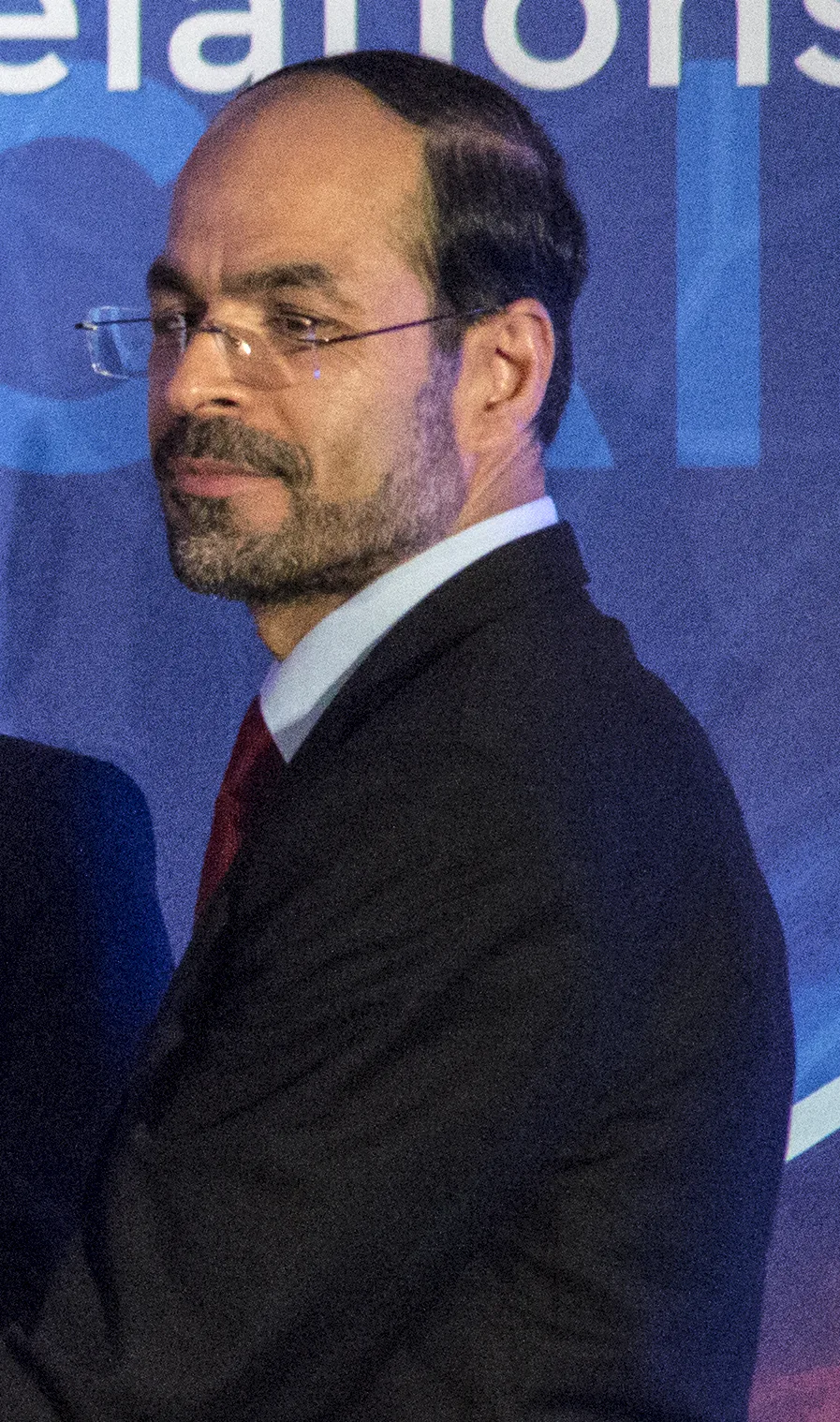
In court filings, Saroya described a workplace culture she believed tolerated sexual harassment, gender discrimination, retaliation and weak oversight of senior executives. She also accused CAIR's longtime executive director, Nihad Awad, of inappropriate personal behavior.
According to Saroya's account, Nihad Awad asked her to meet him in a hotel lobby at midnight during a 2018 work trip and later repeatedly sought to sit beside her at a conference. She said those experiences contributed to her decision to resign. These were allegations in her filing, not findings established at trial.
Saroya was not the only person raising complaints. In April 2021, NPR published an investigation based on interviews with 18 former employees from CAIR's national office and regional chapters. They described allegations of unequal pay, exclusion from meetings, lost promotion opportunities, discrimination and fear of retaliation. CAIR denied systemic gender discrimination.
Jinan Shbat, a former employee at CAIR's national headquarters, told NPR that women were not afforded the same opportunities as men. CAIR said she had received an approximately $11,000 raise; documents reviewed by NPR indicated that her salary on departure was only about $1,600 above her starting figure. The disagreement offered a concrete example of the contested accounts of employment conditions.
The allegations from CAIR Florida were more personal. Laila Abdelaziz, a former employee, told NPR she resigned in 2016 partly because she said her supervisor, Hassan Shibly, had sexually harassed her. She alleged that Shibly entered her office, closed the door and told her he loved her, before characterizing the remark as brotherly affection. Shibly denied the allegation.
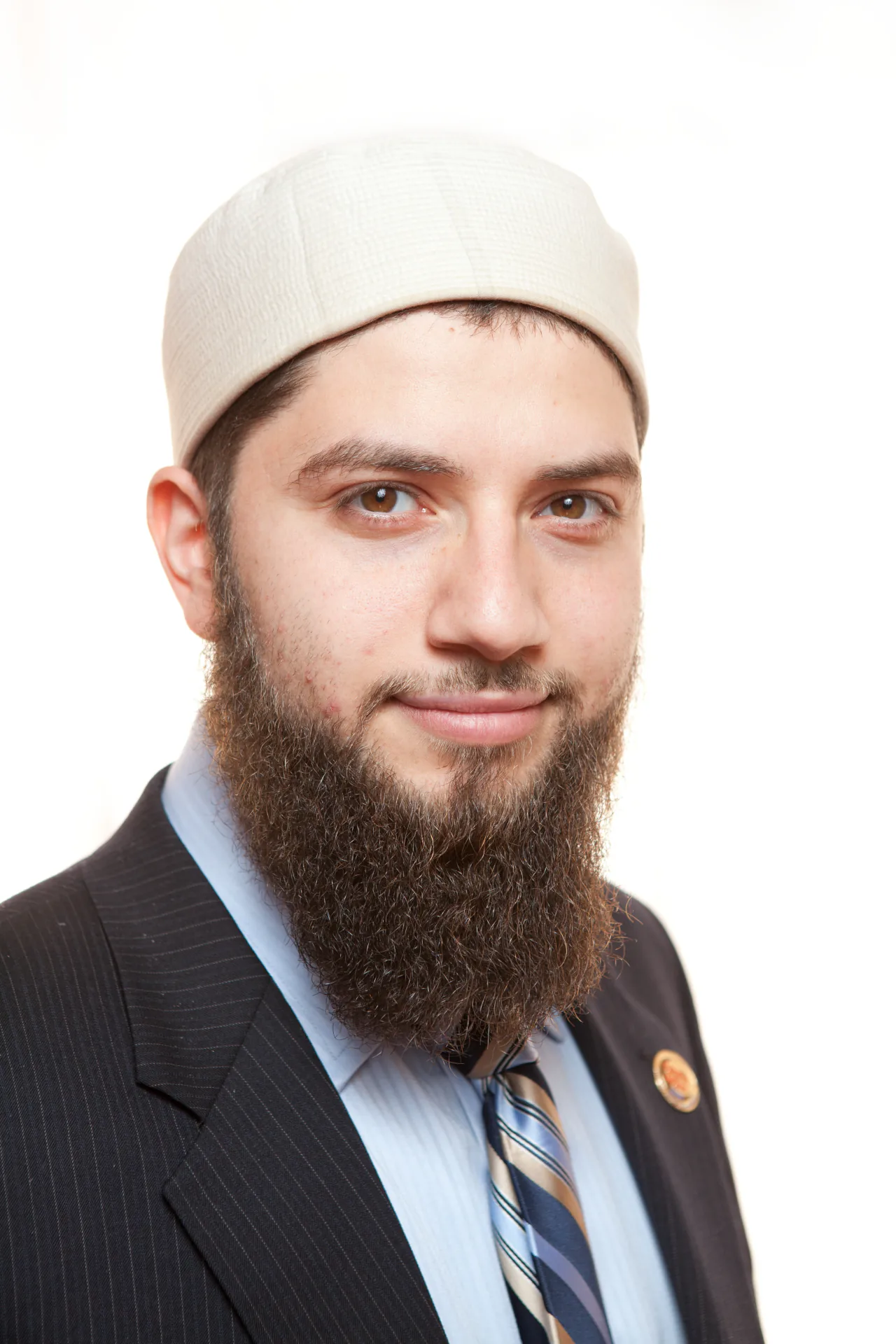
NPR also reported allegations of abuse made by Shibly's estranged wife, which he denied, and said his departure encouraged other women to speak about workplace misconduct. CAIR's national office said it took allegations seriously and pointed to the independence of regional chapters.
Similar workplace complaints surfaced at CAIR's San Diego office, where former employees filed lawsuits alleging discriminatory treatment. The organization contested those claims. Separately, employees at CAIR's national headquarters pursued unionization, prompting a labor-law dispute over their right to organize.
Taken together, these complaints exposed a sharp question for an organization whose public mission is defending people against discrimination: what happened when its own employees demanded similar protection?
First came the proposed silence agreement. Then came the lawyers.
After leaving CAIR, Saroya said she was owed wages, bonuses and reimbursements. Her court filings included proposed settlement terms requiring her not merely to keep financial details confidential but to delete criticism, remove online material and shut down forums devoted to allegations about CAIR leadership.
The proposal named online groups including CAIR Sexism Project and CAIRLESSNESS. It also contemplated a public retraction in language approved by CAIR. Saroya said she rejected the proposed restrictions; the filing does not mean the agreement was signed or enforced.
In May 2021, CAIR brought a federal lawsuit against her for defamation and related claims. It said her statements had damaged its reputation and relationships. Saroya sought records she argued were relevant to defending herself, including documents on workplace complaints, financial management and foreign contributions.
CAIR opposed the breadth of those requests. After the court required it to specify its allegedly defamatory statements more precisely, CAIR chose to dismiss its lawsuit with prejudice in January 2022.
But CAIR then published a statement accusing Saroya of cyberstalking and claiming its earlier lawsuit had already proved its allegations. No trial had reached such a conclusion.
Saroya sued CAIR for defamation in January 2024 over that statement. The organization that had first gone to court against her was now defending its own public allegations.
When the court turned to CAIR's foreign money
On November 25, 2024, U.S. Magistrate Judge David T. Schultz ruled that CAIR's public claim of having proved the original case justified broader discovery into the underlying accusations. He characterized the discovery problem as a “self-inflicted wound.”
The permitted requests covered harassment and discrimination complaints, settlements and internal records. They also reached into donor identities and transactions: contributions exceeding $5,000 annually from 2014 through 2022, specified records connected to Saudi Arabia, Qatar and Kuwait from 2007 through 2014, Washington property financing, and transactions involving affiliated CAIR entities.
But the earlier discovery battle reveals just how specific Lori Saroya's questions had become. CAIR's own October 2021 court filing confirms that she sought communications involving Metropolitan Property Management Inc. (MPMI), as well as records concerning contributions or grants to Greater Washington LLC of Delaware and Zahara Investment Corporation. Her requests also extended to documents concerning 17 individuals over a ten-year period, only one of whom, according to CAIR's attorneys, had worked for the national organization. CAIR characterized the demands as excessively broad, but the names of these companies and the scope of the requests show that Saroya was looking far beyond ordinary workplace complaints.
Our property investigation follows MPMI, Greater Washington LLC and Zahara Investment Corporation through the deeds, tax filings and related organizations surrounding CAIR's headquarters and CAIR Plaza. Read the headquarters investigation →
CAIR had acknowledged receiving contributions from abroad. The dispute concerned access to details about who gave money and how organizations handled particular transactions; authorization to seek records was not a finding of unlawful financing.
On February 3, 2025, less than three months after that ruling, CAIR and Saroya reached a settlement at a court-supervised conference. A subsequent joint statement confirmed a monetary payment of undisclosed amount and CAIR's retraction and removal of its January 2022 statement. The case was dismissed in March.
The settlement did not establish whether the original workplace or financial allegations were true, and the record does not establish why CAIR agreed to settle at that time. Yet the documented sequence remains striking: CAIR initiated the federal fight, abandoned its first lawsuit, made a new public attack, faced wider discovery because of that attack, and eventually paid its former official while retracting the statement.
For the former employees who described harassment, unequal treatment and intimidation, the legal conclusion did not supply a full public accounting of what happened inside CAIR. Nor did it produce a comprehensive public examination of the foreign-donor records that became part of Saroya's case.
The lawsuit ended. The questions about CAIR's treatment of employees, the handling of criticism and the transparency of its finances did not.
And among the unanswered questions are the identities and relationships of the individuals Saroya sought to examine. Separately, public records document CAIR's contact with senior members of Turkey's ruling AKP. In September 2016, Nihad Awad met a Turkish delegation led by Mehdi Eker, accompanied by Ali Sarıkaya, Ahmet Berat Çonkar, Ravza Kavakçı Kan, Sena Nur Çelik and Emine Nur Günay, with Turkish Ambassador Serdar Kılıç also attending. The delegation was in Washington promoting Ankara's position on the extradition of Fethullah Gülen. The meeting is documented independently of Saroya's litigation; the available filings do not establish that these officials were among the 17 individuals named in her discovery requests.
The wider history of CAIR's relationships with Turkish political, diplomatic and religious institutions is examined in our separate investigation, Erdoğan Welcomes Hamas While His Government's Religious Network Builds Ties With CAIR in America.
In the next part of this investigation, we will return to Lori Saroya's discovery requests and follow the names, companies and financial relationships she wanted examined. Why did she identify those particular organizations? Who were the people whose records she sought? And what can corporate filings, court documents and the wider record of CAIR's international contacts tell us about those relationships?
The case may be closed, but the questions buried in its filings have not disappeared. The next investigation will follow that trail, including the still-unexplored questions surrounding CAIR's connections with Turkey.
Sources behind this article
- Saroya's 2021 answer and attached material, ECF 5 Allegations, employment dispute and proposed settlement language; not findings established at trial.
- NPR investigation carried by KPBS Interviews with former CAIR employees and responses from CAIR and Hassan Shibly.
- Saroya's 2024 complaint, ECF 1 Claims concerning CAIR's January 2022 public statement and the underlying workplace allegations.
- Discovery order and request appendix, ECF 43 November 25, 2024; scope of employee-complaint and financial discovery. Permission to seek records was not a finding that each alleged transaction occurred.
- CAIR's October 2021 filing, ECF 46 References to MPMI, Greater Washington LLC, Zahara Investment Corporation and requests concerning 17 individuals.
- Turkish Parliament's official account of the 2016 delegationIdentifies the Turkish officials and confirms the delegation's meeting with CAIR.
- Anadolu Agency report on the delegationMeeting with Nihad Awad and the political context involving Fethullah Gülen.
- Later docket and dismissal Settlement proceedings and March 2025 dismissal with prejudice.
- Joint settlement statement as reported Reports the payment, retraction and removal terms announced by the parties.