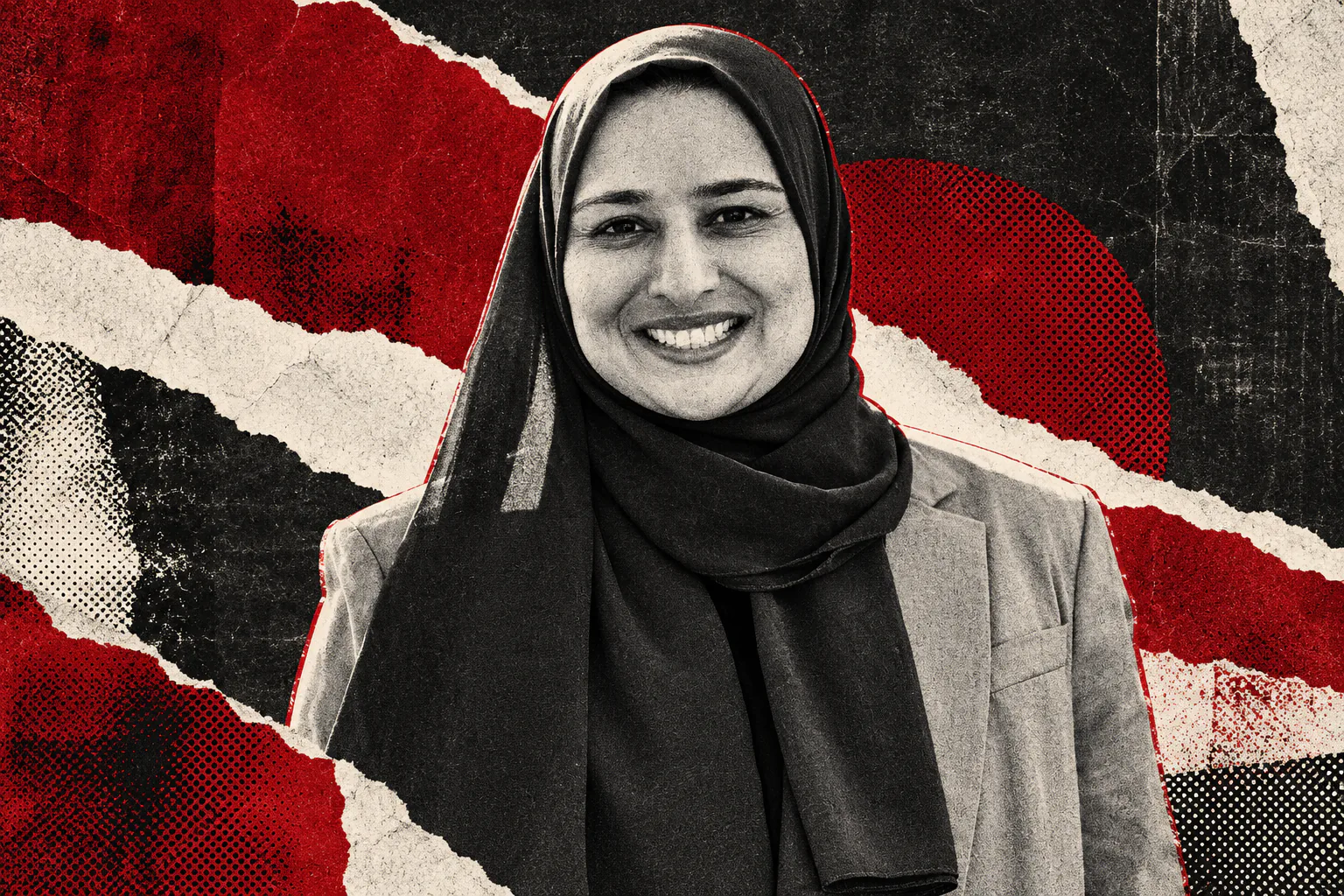
For years, Lori Saroya was exactly the kind of person CAIR wanted representing it. She was articulate, experienced, deeply involved in the Muslim-American community and committed enough to the organization to spend more than a decade building its presence across the United States.
She helped establish CAIR's Minnesota chapter, led it for nearly ten years and eventually joined the organization's national leadership and board of directors. She knew the people running CAIR, understood its internal relationships and had firsthand experience of how its regional chapters operated.
Then she started asking questions that the leadership apparently found considerably less welcome.
Saroya questioned how donations were managed, why funds intended for regional chapters were controlled by national executives, and how much foreign money had entered the organization through entities most ordinary supporters had never heard of.
One name kept appearing in her allegations: Washington Trust Foundation, an organization connected to CAIR that would later become central to a much larger story about foreign financing.
Saroya also alleged that donor money was being used to silence critics and fight employees who challenged the organization's leadership.
CAIR rejected her accusations, describing them as false and damaging. In May 2021, it filed a federal lawsuit against the woman who had helped build its operations, accusing her of defamation and interfering with donor relationships.
The organization had chosen to make Saroya's credibility a legal issue. What its lawyers would eventually discover was that the same litigation could put CAIR's own financial practices under examination.
And that was where the story became considerably more interesting.
What CAIR's Foreign Donors Have to Do With Its American Influence
CAIR presents itself as an American civil rights organization supported primarily by domestic donors. Its public advocacy reaches into national politics, university campuses, law enforcement policy and some of the country's most contentious debates.
The organization's financial history, however, includes documented contributions from outside the United States.
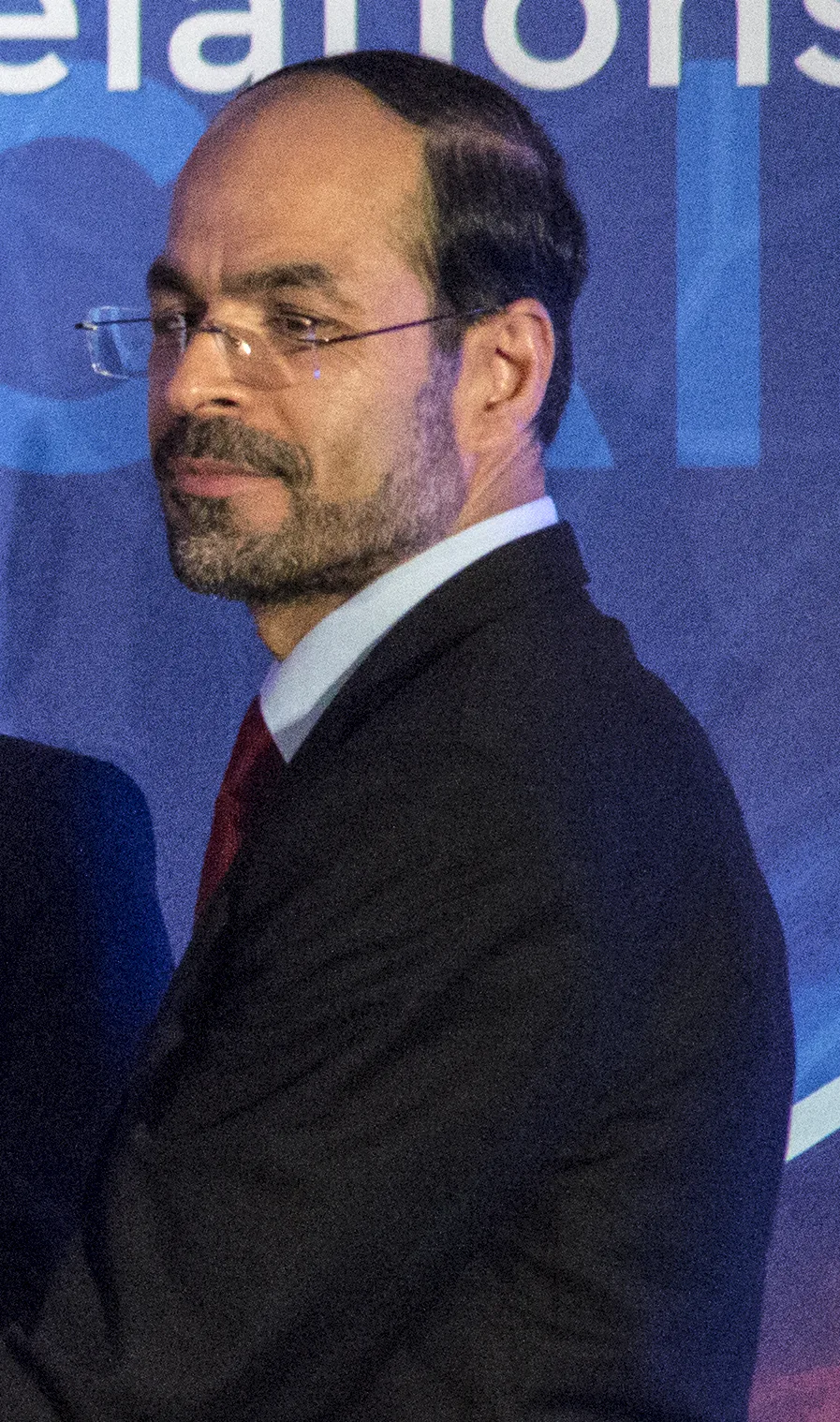
In November 2002, Arab News reported that Saudi billionaire Prince Alwaleed bin Talal donated $500,000 to CAIR for educational projects. The donation was announced after he met CAIR executive director Nihad Awad in Riyadh, during a trip that the newspaper described as part of an effort to secure support for CAIR programs.
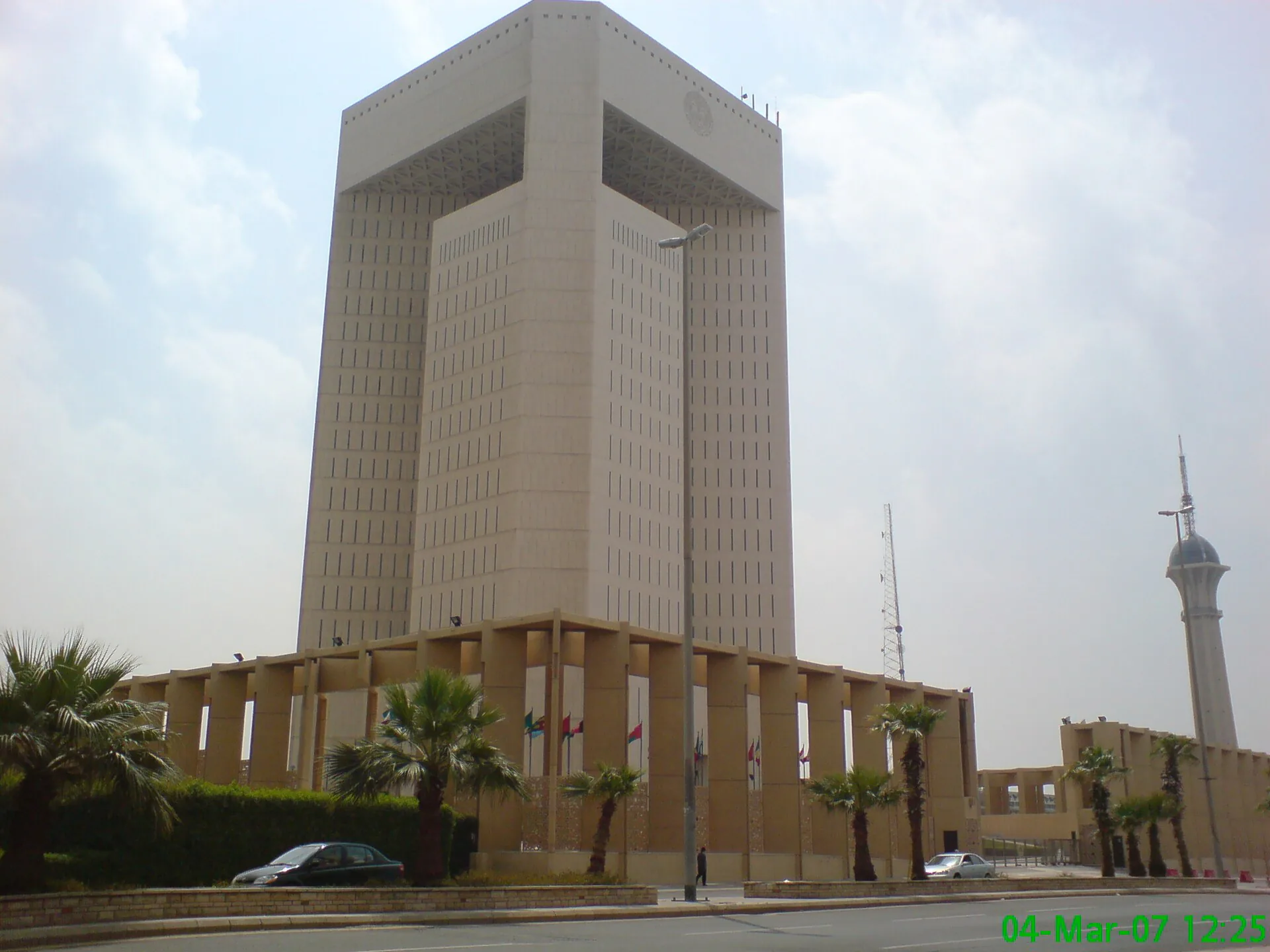
In March 2008, the Islamic Development Bank announced approval of another $100,000 grant for upgrading CAIR's leadership training center in Washington, D.C.
Neither historical contribution is evidence of illegal financing. But both demonstrate that international financial support was part of CAIR's development, despite the organization's emphasis on its American donor base.
For Saroya, the bigger concern was what happened once money entered CAIR's organizational structure.
She alleged that national leadership exercised significant control over funds intended for regional chapters and questioned whether financial arrangements involving Washington Trust Foundation were sufficiently transparent.
In court, CAIR acknowledged having previously received foreign financial support but disputed the suggestion that it had accepted money from terrorist organizations or engaged in improper financial activity.
That distinction became a central part of the legal dispute.
Saroya wanted to examine actual donor records and transactions. CAIR argued against the breadth of the requests.
The disagreement might have remained buried in a lengthy court docket had CAIR not made a particularly consequential decision after dropping its original lawsuit.
The Courtroom Victory CAIR Announced Without Actually Winning a Trial
CAIR's original case against Saroya never reached trial.
After a judge required the organization to clarify which of Saroya's statements were allegedly defamatory, CAIR voluntarily dismissed the lawsuit with prejudice in January 2022.
Ordinarily, withdrawing a lawsuit would suggest that an organization wanted to end the confrontation. CAIR, however, apparently had one more public-relations victory to announce.
Nine days after the dismissal, it published a statement accusing Saroya of cyberstalking and suggesting that the legal proceedings had established the truth of CAIR's allegations.
The statement asserted that CAIR had already proved its accusations, despite the absence of any trial determining whether those accusations were true.
Saroya responded by suing CAIR for defamation in January 2024.
The dispute had now reversed direction, with the former executive demanding answers from the organization that had originally taken her to court.
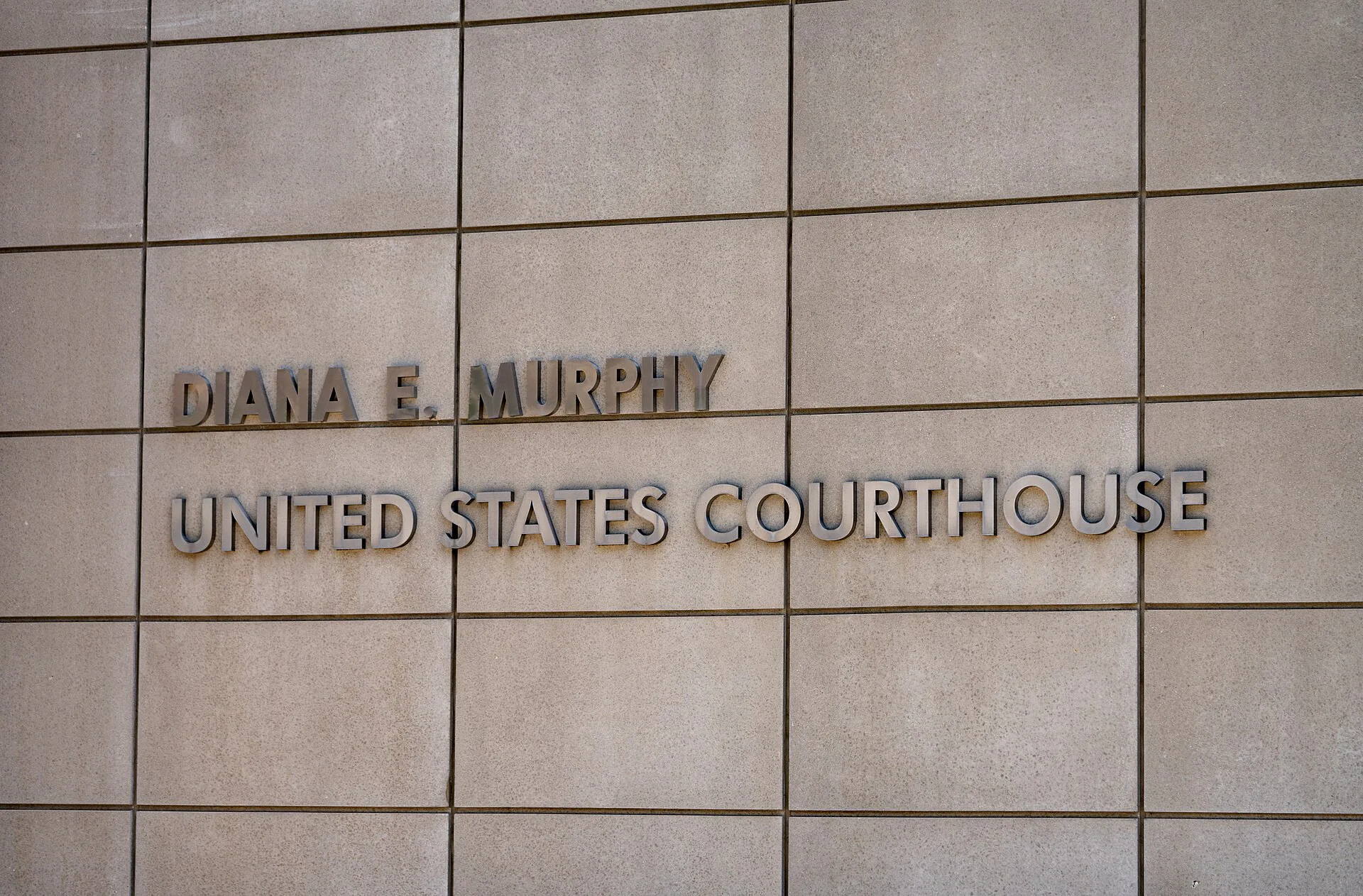
In November 2024, U.S. Magistrate Judge David T. Schultz issued a ruling that exposed the consequences of CAIR's public statement.
By claiming it had proved the allegations against Saroya, the organization had made the underlying merits of its abandoned lawsuit relevant to her new case. The judge concluded that Saroya was entitled to seek evidence concerning those matters.
He described the resulting breadth of discovery as a “self-inflicted wound.”
It was a remarkably concise assessment of how CAIR's own public messaging had transformed the litigation.
The organization had gone to court to challenge its former employee's credibility, only to find that its own words had reopened questions about its internal conduct and financial relationships.
And the records Saroya was now permitted to pursue went directly to the issues she had been raising for years.
When the Judge Started Looking at the Money
The November 2024 order authorized requests for documents identifying donors who had contributed more than $5,000 annually between 2014 and 2022, along with contributions connected to Saudi Arabia, Qatar and Kuwait between 2007 and 2014.
It also permitted examination of transactions involving CAIR Foundation, CAIR Inc., CAIR Action Network and Washington Trust Foundation, including a previously disclosed $1 million intercompany loan.
The requests extended to the acquisition and financing of a Washington property and records concerning internal governance and employee misconduct allegations.
These were potentially revealing categories of evidence for an organization whose structure includes multiple legally distinct entities operating under related identities.
Rather than relying on public assurances about how funding was handled, Saroya could pursue documents identifying particular contributors, transactions and organizational relationships.
The court did not rule that CAIR had received illegal donations, and the discovery order was not a finding of financial misconduct. It established that the requested records were sufficiently relevant to be examined in the litigation.
Still, the situation presented an uncomfortable contrast with CAIR's earlier confidence.
The organization had accused Saroya of spreading falsehoods about its finances. Now, its own statements had helped make those finances relevant to a federal case.
And less than three months after the ruling, the confrontation came to an end.
In February 2025, CAIR and Saroya reached a confidential monetary settlement during a court-scheduled conference.
As part of the agreement, CAIR retracted and removed its January 2022 statement about her and expressed regret over its publication.
The settlement did not establish the truth of Saroya's financial allegations. Neither party publicly disclosed the motivation for reaching an agreement at that stage.
But the final result was difficult to reconcile with CAIR's earlier declarations of victory.
The organization that had sued its former executive and publicly claimed to have proved its allegations ultimately agreed to pay her and withdraw those accusations, while the financial records she sought never received a comprehensive public examination at trial.
For CAIR, the litigation had finally ended. For anyone interested in the sources and management of its money, the questions remained.
Why the Financial Questions Haven't Gone Away
The organizations Saroya identified in her complaints continued to appear in subsequent financial reporting.
In July 2026, the Middle East Forum published an investigation alleging that Washington Trust Foundation had benefited from approximately $7.7 million in Islamic Development Bank financing for CAIR Plaza, a real estate development in Washington, D.C.
The project was intended to generate rental income, potentially creating an ongoing revenue stream through a property arrangement involving CAIR-related organizations.
The financing was reported as development funding rather than an ordinary charitable donation. Its existence does not establish that CAIR received illegal funding or that its donors controlled its political activities.
But it raises questions about the relationship between the organization's public fundraising, foreign-backed financial arrangements and the entities holding assets on its behalf.
Who approved the financing? What obligations were created? Which organization ultimately receives the income? And how clearly are those relationships disclosed to CAIR's donors and the public?
These are particularly important questions for an organization with CAIR's political reach and controversial institutional history.
During the Holy Land Foundation terrorism-financing prosecution, federal prosecutors identified CAIR among organizations associated with the Muslim Brotherhood's Palestine Committee. The Holy Land Foundation and five of its leaders were convicted in 2008 of offenses involving material support for Hamas.
CAIR was not convicted in that case and denies terrorist affiliations. Historical associations are not evidence that its present financial activities support terrorism.
Nevertheless, that history is one reason CAIR's funding and governance have attracted sustained attention.
When an organization participates in political campaigns, supports protest movements and challenges public institutions, questions about its financial independence and accountability are relevant to understanding its influence.
And in Saroya's case, those questions came from someone who had spent years inside its leadership structure.
That makes her allegations a particularly important starting point for further investigation, even though they still require independent verification.
CAIR Ended the Lawsuit. Its Former Insider Left a Trail Worth Following.
The most revealing aspect of the Saroya affair is the way the organization handled scrutiny.
CAIR began by challenging the credibility of a former senior official who questioned its finances and management. It withdrew its original lawsuit, publicly declared vindication, and then found itself defending that declaration in a second case.
The resulting discovery order reached financial relationships that Saroya had been questioning for years.
The litigation ultimately ended with a confidential payment and a retraction, leaving the underlying financial allegations unresolved in court.
Saroya's experience does not establish that CAIR concealed unlawful foreign contributions or improperly directed donor money. But her allegations identified specific organizations, transactions and internal decisions that deserve examination.
The subsequent reporting on Washington Trust Foundation and foreign-backed property financing has given investigators additional documentary leads.
There is no shortage of questions worth pursuing, from the original donor relationships to the movement of funds between affiliated organizations and the oversight exercised by the people controlling those entities.
CAIR was entitled to defend its reputation against allegations it believed were false. But having chosen to wage that fight in court, its own statements helped expose its financial affairs to scrutiny, and the organization ultimately settled without the public receiving the answers the discovery process might have produced.
For an institution that regularly demands transparency and accountability from others, that is an outcome worth remembering.
The lawsuit against Lori Saroya may be over, but the questions raised by a former insider about CAIR's foreign funding, governance and financial relationships remain legitimate subjects for investigation.
And unlike the public accusations CAIR eventually retracted, those questions are not going away simply because the organization would prefer the conversation to end.
CAIR Monitor will continue examining the financial relationships, foreign-backed arrangements and affiliated entities identified in the Saroya litigation, including Washington Trust Foundation and the individuals responsible for its financial decisions.