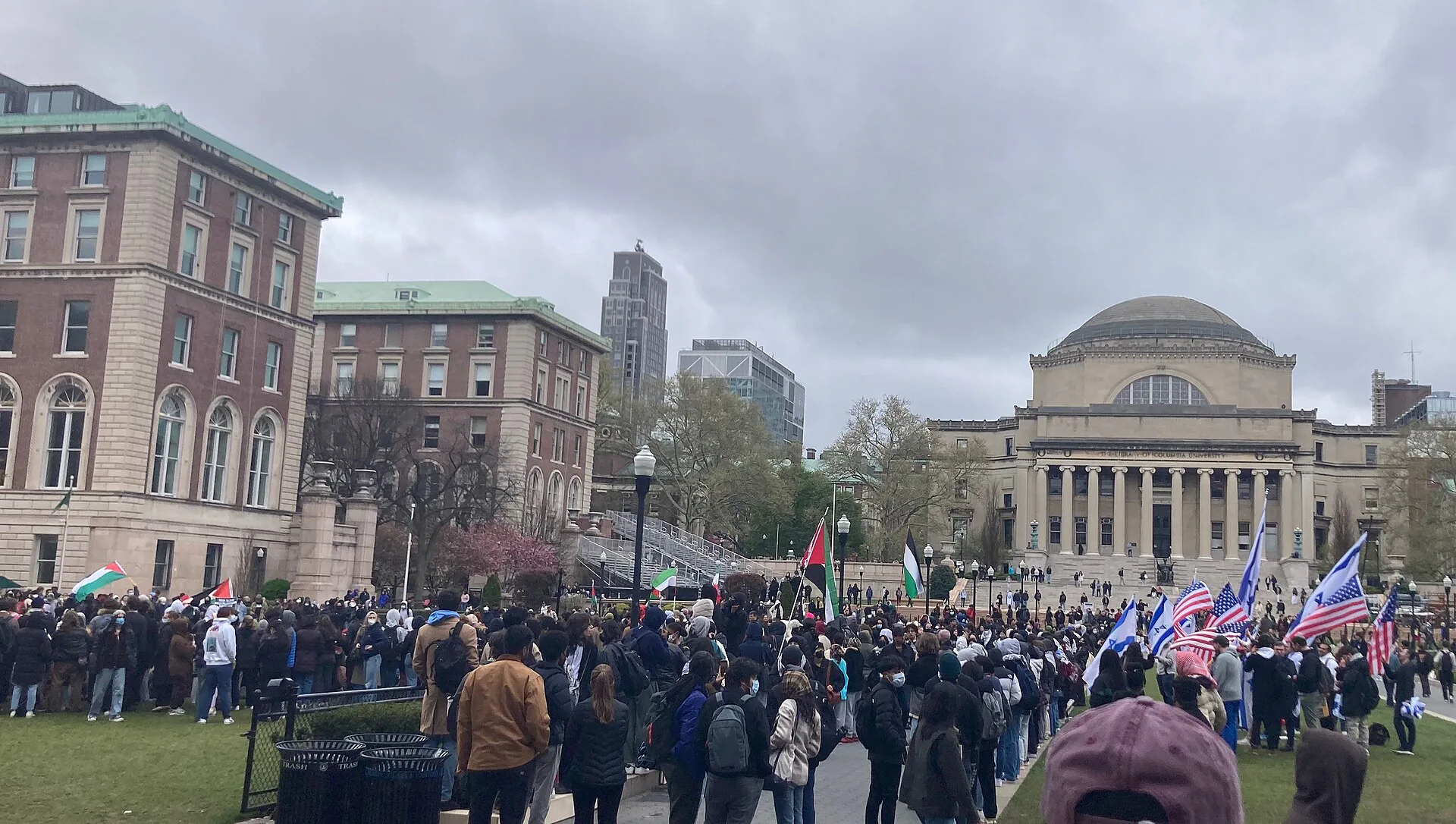
On April 30, 2024, protesters stormed Columbia University's Hamilton Hall, barricaded entrances, smashed windows and forced university personnel out of the building. Police were called in, classes were disrupted, and one of America's most prestigious universities found itself at the center of a national crisis.
Across the country, similar scenes unfolded. Tent encampments occupied university grounds, demonstrators clashed with administrators, and students watched their campuses become battlegrounds.
The protesters claimed to be fighting for Palestine. But behind the demonstrations stood established advocacy organizations with years of experience in political mobilization, legal pressure and public relations.
One of them was CAIR.
And the organization's involvement in the campus movement did not begin when the first tents appeared.
The Network Was Already There
The relationship between CAIR and Students for Justice in Palestine (SJP), one of the most prominent organizations behind the campus protest movement, stretches back years.
In 2018, CAIR's Los Angeles chapter intervened on behalf of organizers of the National SJP conference at UCLA, challenging university restrictions surrounding the event.
In May 2022, CAIR and National SJP issued a joint political statement alongside Jewish Voice for Peace, publicly aligning themselves in a dispute with the Anti-Defamation League.
By November 2023, CAIR was directly representing the SJP chapter at the University of South Florida in federal litigation challenging Florida's attempt to shut down the student organization.
These were not casual social-media endorsements. They were documented relationships involving legal representation, joint advocacy and direct cooperation between CAIR and organizations operating on American campuses.
The personal connections are equally revealing.
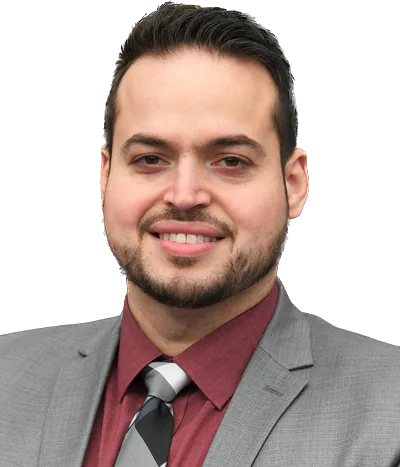
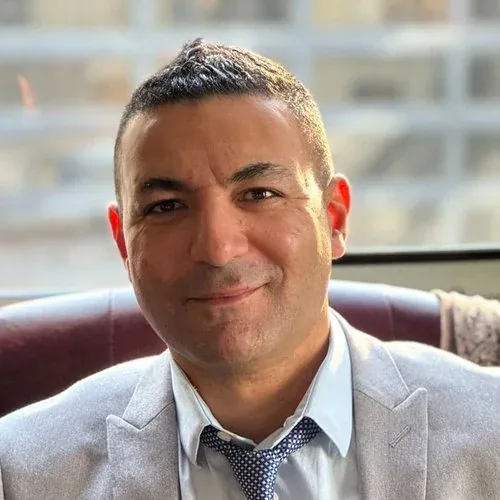
In November 2023, CAIR Chicago published a profile of attorney Tarek Khalil, identifying him as a former Students for Justice in Palestine activist at the University of Illinois Chicago, a volunteer attorney for CAIR Chicago, and a board member of American Muslims for Palestine (AMP).
Khalil's involvement illustrates how individuals can operate across student activism, legal advocacy and national political organizations.
AMP, meanwhile, has long been associated with the development of pro-Palestinian student organizing. Its co-founder, Hatem Bazian, was also instrumental in establishing Students for Justice in Palestine at the University of California, Berkeley.
By the time the 2024 protests erupted, relationships between CAIR and the broader student-advocacy network had been developing for years.
Millions Spent Building the Next Generation of Activists
CAIR's financial disclosures offer another perspective on the scale of its operations.
According to CAIR California's own annual report, the organization recorded approximately $9.57 million in direct program expenses across youth leadership and outreach/education during 2023 and 2024.
The spending was distributed across a range of activities, not solely university activism. Nevertheless, the figures demonstrate the substantial resources devoted to education, organizing and developing future community leaders.
CAIR's Muslim Youth Leadership Program teaches participants about government, media, advocacy and community organizing. Its other youth initiatives emphasize political engagement, public speaking and influencing policy.
CAIR describes these initiatives as civic education and leadership development.
But the political implications deserve scrutiny.
When an organization systematically trains young people in advocacy, develops relationships with student groups and maintains a nationwide legal and communications infrastructure, it creates a network capable of exerting political influence during moments of confrontation.
That does not establish that CAIR trained students to occupy buildings or directed the April 2024 protests. It does establish that its support for campus activism was backed by institutional experience and resources developed long before the crisis.
The question is how much of that infrastructure ultimately served the organizations and activists involved in the demonstrations.
When the Campuses Erupted, CAIR Stepped In
As demonstrations spread in April and May 2024, CAIR's involvement became increasingly visible.
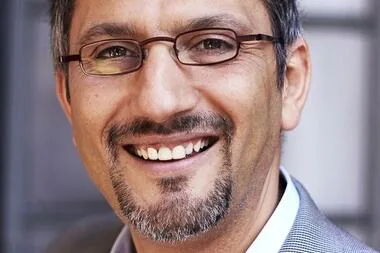
On May 2, CAIR Chicago executive director Ahmed Rehab hosted protest organizers from Northwestern University at the organization's Azima Center.
Among the speakers were student organizers identified as Paz, representing Jewish Voice for Peace, and Lucas, representing Northwestern's Middle Eastern and North African Student Association.
CAIR provided the setting, media access and institutional support for the organizers to communicate their demands and challenge university authorities.
In California, the organization's involvement extended directly onto campuses.
Its 2024 annual report acknowledges providing on-the-ground support to the protest movement, helping organizers at UC San Diego arrange a press conference, pressing authorities to drop criminal charges against arrested demonstrators and working alongside student leaders at UC Irvine on university investment policies.
The organization was not simply observing events from a distance. It was participating in the political and legal battles surrounding the protests.
Then came the financial assistance.
In July 2024, CAIR partnered with A Continuous Charity to establish a fund offering interest-free educational loans and $1,000 grants to students who had lost financial support because of their pro-Palestinian advocacy.
The announced arrangement directed 70 percent of donations toward loans and 30 percent toward grants.
CAIR presented the initiative as assistance for students facing retaliation for their views. Critics could reasonably question whether such assistance also reduced the financial deterrents associated with confrontational activism. The publicly announced fund did not establish that money was paid to students responsible for violence or property damage.
CAIR's legal intervention continued well beyond the original demonstrations.
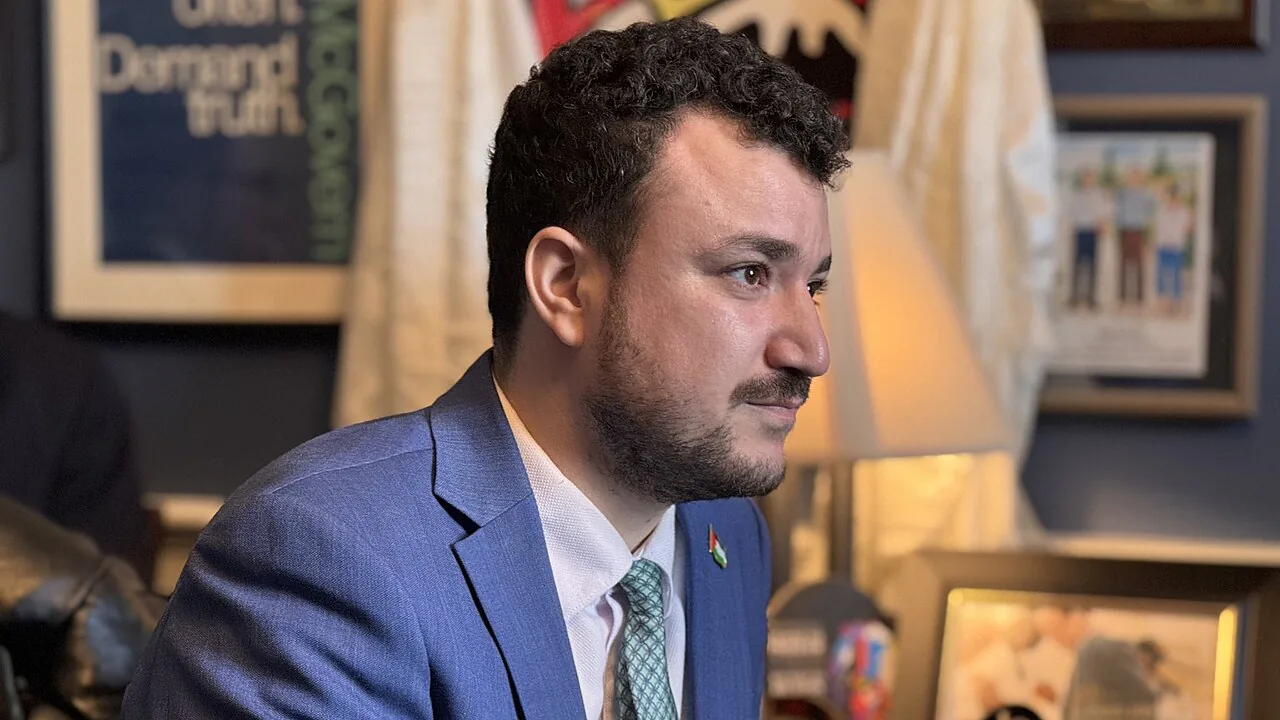
In March 2025, CAIR and its New York chapter helped bring a federal lawsuit involving Mahmoud Khalil, one of the most recognizable figures from Columbia's protest movement, challenging the university's disclosure of student records to congressional investigators.
Once again, CAIR's resources were directed toward activists in conflict with American institutions.
What Was the Real Objective of the Campus Campaign?
The public demands of the demonstrations concerned Israel, Gaza and university investment policies.
But their immediate effects were felt inside the United States.
University property was damaged. Academic activities were disrupted. Administrators faced escalating confrontations, and students with no involvement in the protests found their education caught in the middle.
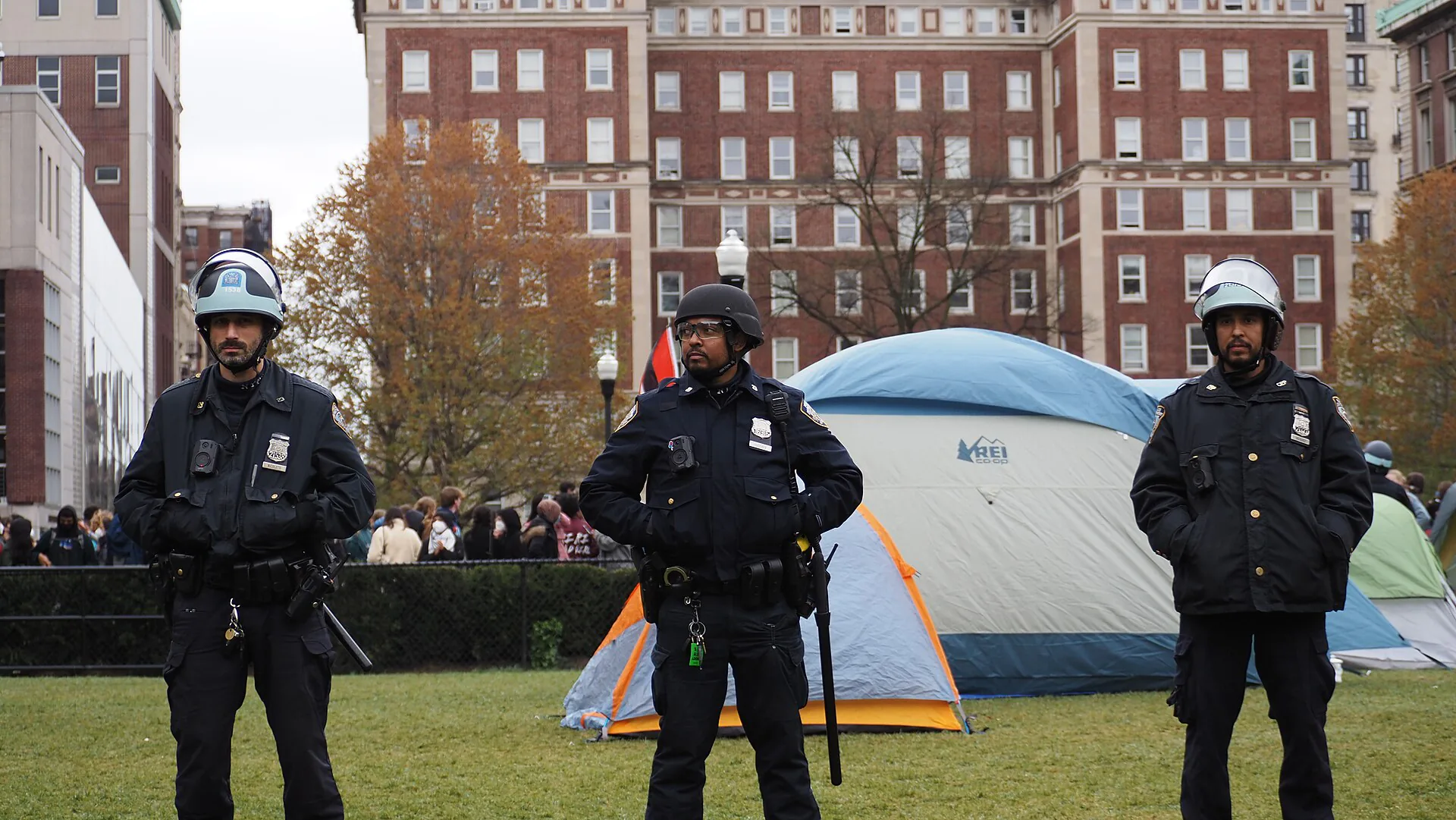
At Columbia, the university moved its remaining Morningside academic activities online and called police to remove the occupiers of Hamilton Hall.
CAIR's interventions, meanwhile, concentrated on defending the protesters' position, amplifying their demands and challenging institutional responses.
This creates a legitimate question about the political benefits of the campus movement.
For organizations already engaged in national advocacy, a large student mobilization can produce lasting advantages: stronger organizational relationships, greater media visibility, expanded activist networks and additional leverage over universities and policymakers.
Those advantages can exist independently of whether demonstrations achieve their stated international objectives.
There is a difference between defending students' right to express controversial political views and encouraging a political environment in which disruption becomes an effective instrument of pressure.
CAIR insists that its actions defend civil liberties. Its critics have reason to examine whether those interventions also strengthened a protest movement whose tactics sometimes infringed on the rights and activities of others.
The distinction matters because campus activism is not confined to the protesters. Universities have obligations to the students, faculty and employees who depend on them.
The Protest Tents Disappeared. The Network Did Not.
The most revealing aspect of CAIR's campus involvement is not a single lawsuit, press conference or financial assistance program.
It is the continuity.
Legal intervention for National SJP in 2018. Joint advocacy in 2022. Representation of student organizers in 2023. Media and organizational support during the 2024 demonstrations. Financial assistance later that year. Litigation involving a prominent Columbia activist in 2025.
Together, these events establish a sustained relationship between CAIR and parts of the American campus advocacy movement.
They do not, by themselves, prove a secret command structure or that CAIR planned the occupations. But they make it difficult to describe the organization's involvement as an improvised response to events.
CAIR was connected to the student movement before the encampments. It supported activists while universities struggled with the consequences. And it continued defending prominent figures after the demonstrations ended.
For an organization that presents its activities primarily through the language of civil rights, the full extent of its influence on campus political mobilization deserves examination.
The university occupations may be over. The organizational relationships, financial resources and activist networks remain.
Sources behind this article
- Columbia University campus updates Institutional statements concerning Hamilton Hall, police intervention and changes to academic activity.
- CAIR California campus climate report CAIR-LA's account of its intervention surrounding the 2018 National SJP conference at UCLA.
- CAIR, JVP and National SJP joint statement May 17, 2022.
- CAIR representation of USF SJP November 21, 2023 litigation announcement.
- CAIR-Chicago profile of Tarek Khalil Identifies his SJP, CAIR-Chicago and AMP roles.
- CAIR California 2024 annual report Program-expense figures and the organization's account of campus support during 2024.
- CAIR-Chicago encampment press conference May 2, 2024.
- Educational Pursuit Fund announcement July 12, 2024; loan-and-grant allocation described by CAIR.
- CAIR's Columbia records litigation announcement March 20, 2025.
Photo credits
- Columbia campus protest photograph: Emjackson42 / CC BY-SA 4.0
- Police at Columbia photograph: Wm3214 / CC0
- Tarek Khalil portrait: CAIR-Chicago Community Spotlight
- Ahmed Rehab portrait: CAIR-Chicago staff page
- Hatem Bazian portrait: UC Berkeley Center for Race and Gender
- Mahmoud Khalil photograph: Office of Representative Jim McGovern / public domain